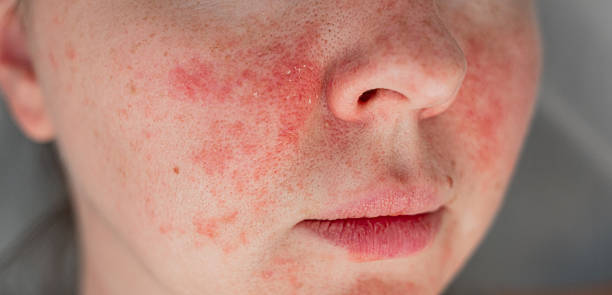

One week, your skincare routine is working beautifully. Your face feels soft, your moisturiser sinks in nicely, and even that serum you spent far too long researching seems to be doing its job.
Then suddenly… everything stings.
Your moisturiser burns. Your cheeks look red. Makeup starts clinging to tiny dry patches you swear weren’t there yesterday. Maybe you’re breaking out too, which makes you reach for stronger acne treatments—and somehow your skin gets even angrier.
Sound familiar?
You may be dealing with a damaged skin barrier.
And here’s the tricky part: barrier damage doesn’t always announce itself with dramatic peeling or obvious irritation. Sometimes the first clue is simply that your skin starts behaving differently.
Understanding the signs your skin barrier is damaged can help you catch the problem early, simplify your routine, and give your skin the conditions it needs to recover.
So, let’s figure out what your skin might be trying to tell you.
First, What Exactly Is Your Skin Barrier?
Your skin barrier is mainly associated with the stratum corneum, the outermost portion of your epidermis.
Despite being incredibly thin, this layer has a pretty serious job.
It helps keep water inside your skin while limiting the entry of irritants and other unwanted substances from the outside environment. Researchers often assess barrier function using measurements such as transepidermal water loss (TEWL), essentially how much water escapes through the skin.
One of the easiest ways to picture the stratum corneum is as a brick wall.
Your skin cells, called corneocytes, are the bricks. Lipids surrounding those cells—including ceramides, cholesterol, and fatty acids- act somewhat like the mortar holding everything together.
When that structure is functioning well, your skin can retain moisture while defending itself against environmental stressors.
When the barrier becomes disrupted?
Water escapes more easily, and your skin may become more vulnerable to irritation.
That’s when the trouble begins.
10 Signs Your Skin Barrier Is Damaged
Barrier damage can look slightly different from person to person. Someone with oily skin may suddenly become both greasy and dehydrated, while someone with naturally dry skin might experience intense flaking and sensitivity.
Still, several warning signs tend to appear again and again.
1. Your Skin Suddenly Stings When You Apply Products
This is one of the biggest clues.
You wash your face, apply the moisturiser you’ve used dozens of times, and suddenly—
Ouch.
There’s burning around your nose.
Your cheeks sting.
Even a basic serum feels uncomfortable.
Products stinging when applied can be associated with irritation and barrier disruption. Cleveland Clinic specifically lists stinging after skincare application, tenderness, and sensitivity among signs that may occur when the barrier is damaged.
The important word here is suddenly.
If you’ve always reacted badly to a particular ingredient, you may simply be sensitive or allergic to something in the formula.
But if previously comfortable products suddenly start burning, your skin deserves attention.
This is especially common after going a little too hard with:
- Retinoids
- Glycolic acid
- Salicylic acid
- Exfoliating toners
- Scrubs
- Acne treatments
- Strong cleansers
- At-home peels
More skincare isn’t always better skincare.
Sometimes your face is essentially saying, Please stop.
Listen to it.
2. Your Face Feels Tight After Cleansing
You know that squeaky-clean feeling some cleansers give you?
It can feel satisfying.
Unfortunately, your skin may disagree.
Healthy skin shouldn’t routinely feel painfully tight after cleansing.
If your face feels stretched, uncomfortable, or almost one facial expression away from cracking after washing, your cleansing routine may be removing too much of the skin’s natural oils.
Very hot water can make matters worse. Dermatologists caution that hot water can remove natural oils from the skin, which may contribute to barrier problems.
A cleanser doesn’t need to make your face feel stripped to work.
Clean is good.
Squeaky isn’t the goal.
This matters especially if you’re cleansing twice in the morning, double cleansing every evening regardless of what you’ve worn, or using a strong foaming cleanser because your skin is oily.
Oily skin needs a healthy barrier too.
3. Your Skin Is Flaky, Rough, or Scaly
Another classic warning sign is a change in texture.
Your normally smooth forehead suddenly feels rough.
Tiny flakes appear around your mouth.
Foundation settles into patches.
Your cheeks look almost scaly under certain lighting.
Dry, scaly, flaky skin and rough patches are commonly associated with barrier damage.
Here’s why.
Your barrier plays an important role in maintaining water balance. When barrier integrity decreases, water can escape more readily through the epidermis. Higher TEWL is generally associated with impaired barrier function.
Think of a travel mug with a lid that doesn’t seal properly.
You can keep pouring water inside, but you’re still going to lose some.
That’s why endlessly layering hydrating serums doesn’t always solve barrier-related dryness.
You need water, yes.
But your skin also needs help holding onto it.
4. Your Skin Looks Red or Inflamed
Maybe your cheeks are pinker than usual.
Perhaps the area around your nose stays red.
Or your whole face looks slightly flushed even though you haven’t exercised, spent time in the heat, or had a particularly stressful Monday morning.
Inflammation and irritation can accompany barrier damage.
This redness may become especially noticeable after:
- Cleansing
- Exercising
- Showering
- Applying skincare
- Spending time outside
- Using exfoliating acids
- Applying retinoids
However, persistent facial redness shouldn’t automatically be labelled a damaged barrier.
Rosacea, eczema, allergic reactions, contact dermatitis, sunburn, and other skin conditions can produce redness too.
That’s an important distinction.
Social media has made a damaged skin barrier a catch-all phrase for practically every unhappy face.
Dermatology is more complicated than that.
If redness is persistent, severe, painful, spreading, or repeatedly returning, getting professional advice is wiser than endlessly buying “barrier repair” products.
5. Your Skin Has Become Weirdly Sensitive
This one can sneak up on you.
Your sunscreen suddenly feels irritating.
Cold wind bothers your cheeks.
A cleanser you’ve used for months feels uncomfortable.
Even rubbing your face with a towel feels unpleasant.
Skin sensitivity and tenderness are recognised signs that can accompany a compromised barrier.
And this is where skincare can become frustrating.
You start thinking:
Why is my skin reacting to everything?
The product itself isn’t always the entire problem.
Sometimes the condition of your skin has changed.
When the barrier isn’t functioning as effectively, substances from the outside may penetrate differently. Research into the stratum corneum shows that barrier integrity influences both water loss from inside the skin and penetration of substances from outside it.
So yes, that once-perfect serum might suddenly feel like too much.
Your skin may simply need fewer variables for a while.
6. You’re Suddenly Breaking Out More
Here’s where things get confusing.
Dryness makes sense.
Burning makes sense.
But acne?
Possibly.
Cleveland Clinic includes acne among skin issues that can appear alongside barrier damage.
That doesn’t mean every breakout is caused by a damaged barrier.
Far from it.
Acne is complex and can involve sebum production, follicular plugging, bacteria, inflammation, hormones, genetics, medications, and other factors.
But barrier disruption can occur at the same time as breakouts—especially when you’re aggressively trying to treat acne.
Picture this familiar cycle:
You get three pimples.
You panic.
You use salicylic acid.
Then an exfoliating toner.
Then a retinoid.
Then a clay mask because TikTok said it “pulls everything out.”
Your skin becomes irritated.
More bumps appear.
So you exfoliate again.
Now you’ve got acne and a furious skin barrier.
It’s skincare’s version of answering a small email problem with a company-wide emergency meeting.
Sometimes less really is more.
7. Your Skin Is Both Oily and Dehydrated
This combination confuses people because oily and dry sound like opposites.
They’re not.
Oil refers primarily to sebum. Hydration refers to water.
Your skin can produce plenty of oil while still lacking water.
So you might notice a shiny forehead by lunchtime while your cheeks feel tight underneath.
Your makeup somehow looks greasy and patchy.
It’s unfair, really.
When barrier function is disrupted, increased water loss can contribute to dehydration even when sebum is still present. TEWL is widely used as an objective measure of skin barrier function, and increased TEWL is generally associated with poorer barrier integrity.
If your first instinct is to attack the shine with stronger cleansers, alcohol-heavy toners, or constant exfoliation, you can potentially worsen the irritation.
Instead, consider whether your skin needs a gentler routine.
8. Your Face Feels Itchy
A little occasional itch isn’t automatically alarming.
But persistent itching combined with dryness, redness, flaking, or sensitivity deserves attention.
Itchiness is another symptom associated with barrier problems.
And scratching?
Not helpful.
It may temporarily satisfy the itch, but repeated scratching can further irritate already uncomfortable skin.
Try not to diagnose the cause based solely on itching, though.
Eczema, allergies, contact dermatitis, insect bites, fungal conditions, dry skin, and other problems can also cause itching.
If the itch is intense, persistent, spreading, disturbing your sleep, or accompanied by a significant rash, speak with a healthcare professional.
9. Your Usual Skincare Routine Suddenly Feels Like Too Much
This isn’t a clinical measurement, obviously, but it’s a useful practical clue.
Maybe your routine once looked like:
Cleanser.
Vitamin C.
Hydrating toner.
Niacinamide.
Moisturizer.
Sunscreen.
Then at night: cleanser, exfoliant, retinoid, serum, moisturiser.
And everything was fine.
Until it wasn’t.
Now every extra layer feels irritating.
This often happens after cumulative irritation.
Barrier problems aren’t always caused by one dramatic event. Sometimes it’s the repeated combination of acids, retinoids, harsh cleansing, scrubs, weather changes, and insufficient moisturising.
A little irritation Monday.
Another exfoliation Wednesday.
Retinol Thursday.
Peel Sunday.
By next week, your face has filed a formal complaint.
10. Your Skin Doesn’t Seem to Hold Moisture Anymore
You apply moisturiser.
Twenty minutes later, you’re dry again.
So you add another layer.
Still dry.
You switch moisturisers.
Still dry.
That “my skin drinks everything” feeling can happen when the barrier isn’t retaining water effectively.
The stratum corneum plays a major role in controlling epidermal hydration and water loss. When its structure is disrupted, TEWL can increase substantially.
This is why barrier care isn’t simply about adding water.
A useful moisturiser often combines ingredients that attract water, soften the skin, and reduce moisture loss.
Which brings us to the obvious next question.
What Causes Skin Barrier Damage?
Usually, it’s not one villain.
It’s a pile-up.
Your skin barrier is affected by both internal and environmental factors, including hydration, lipid composition, pH, temperature, humidity, and exposure to irritating substances.
For everyday skincare users, some causes appear more frequently than others.
Over-Exfoliating
This might be the biggest modern skincare trap.
Chemical exfoliation became wildly popular because ingredients such as AHAs and BHAs can genuinely be useful.
Then somewhere along the way, we started treating exfoliation like a competitive sport.
Glycolic toner.
Salicylic cleanser.
Exfoliating pads.
Retinol.
Peeling solution.
All in one week.
Your skin doesn’t hand out medals for this.
Over-exfoliating and scrubbing can contribute to barrier damage.
If your skin starts burning, flaking, or becoming unusually sensitive, adding another exfoliant probably isn’t the answer.
Using Too Many Active Ingredients Together
Active ingredients aren’t bad.
Retinoids aren’t bad.
Vitamin C isn’t bad.
Exfoliating acids aren’t bad.
But good ingredients can still become irritating when used too aggressively.
The issue is often frequency + concentration + combinations + individual tolerance.
Someone online may comfortably use a strong retinoid five nights a week.
That doesn’t mean your skin needs to.
Skincare isn’t a group assignment.
Harsh Cleansing
A cleanser’s job is to remove unwanted oil, sunscreen, makeup, dirt, and debris without leaving your face feeling punished.
Harsh soaps and cleansers can strip natural oils and contribute to barrier disruption.
If your face consistently feels tight after washing, consider switching to something gentler.
Look for words such as:
gentle
hydrating
cream cleanser
fragrance-free
for sensitive skin
Marketing language isn’t proof that a formula will suit you, of course, but it can help narrow the shelf.
Hot Showers
This one hurts because hot showers are wonderful.
Especially when it’s cold outside.
Unfortunately, very hot water can remove natural oils from the skin.
You don’t need to shower in icy water.
Warm is fine.
Think comfortable, not lobster pot.
Cold Weather and Low Humidity
Ever notice how your skincare seems perfectly fine in summer, then autumn arrives and suddenly your cheeks feel like paper?
Environmental conditions matter.
Temperature and humidity can influence water loss and skin barrier measurements.
Cold outdoor air plus dry indoor heating can be particularly rough.
During colder months, you may need to swap that feather-light summer gel for something a little richer.
Seasonal skincare doesn’t require rebuilding your entire bathroom shelf.
Sometimes one moisturiser change does the job.
Sun Exposure
UV exposure doesn’t only contribute to pigmentation and premature skin ageing.
It can also stress the skin and contribute to inflammation.
Daily broad-spectrum sunscreen therefore isn’t merely an anti-ageing habit. It’s part of protecting skin from environmental damage.
And yes, sunscreen still matters when you’re repairing your barrier.
Not Moisturising Enough
Some people with oily or acne-prone skin avoid moisturiser because they’re worried about clogged pores.
Understandable.
But oily skin still needs barrier support.
Skipping moisturiser while using strong acne treatments can leave skin increasingly uncomfortable.
A lightweight, non-comedogenic moisturiser may be a better compromise than using nothing at all.
Damaged Skin Barrier or Just Dry Skin?
This distinction isn’t always obvious.
Dry skin and barrier damage overlap heavily.
Both can involve:
- Flaking
- Roughness
- Tightness
- Dullness
- Dehydration
But barrier damage is more likely to involve new or increased sensitivity, burning, stinging, redness, inflammation, and intolerance to products.
Think of ordinary dryness as:
“My skin needs more moisture.”
Barrier damage can feel more like:
“Why does WATER suddenly offend my face?”
That’s not a perfect diagnostic test, obviously, but it’s a useful way to think about the difference.
So. How Do You Repair a Damaged Skin Barrier?
The boring answer is often the useful answer.
Simplify.
Your skin probably doesn’t need a 12-step rescue mission.
It needs fewer irritants and more consistent support.
For a short period, your routine might become beautifully uneventful.
Morning
- Gentle cleanser, or simply rinse with lukewarm water if that works for your skin.
- Moisturizer.
- Broad-spectrum sunscreen.
Evening
- Gentle cleanser.
- Moisturizer.
That’s it.
Yes, really.
You can make it more sophisticated later.
For now, calm skin beats complicated skin.
What Should You Stop Using While Your Barrier Recovers?
If your skin is clearly irritated, consider temporarily stepping away from products that tend to increase irritation.
That may include:
- Strong exfoliating acids
- Facial scrubs
- Peels
- Retinoids
- Harsh acne treatments
- Highly fragranced skincare
- Astringent toners
- Cleansing brushes
- Very hot water
This doesn’t mean these products are permanently banned.
Think of it like taking a few days off the gym after pulling a muscle.
Rest isn’t quitting.
It’s recovery.
Once your skin feels normal again- no burning, unusual redness, tenderness, or persistent flaking—you can gradually reintroduce active ingredients.
Gradually is doing some heavy lifting in that sentence.
Don’t bring everything back Tuesday night.
Ingredients That Can Support Your Skin Barrier
Once you start reading moisturiser labels, skincare terminology gets messy quickly.
Let’s keep things simple.
Ceramides
Ceramides are naturally occurring lipids found within the skin barrier.
Remember the brick-wall analogy?
Ceramides are part of the lipid “mortar” surrounding the cells of the stratum corneum.
They’re commonly included in moisturisers designed for dry or barrier-compromised skin.
Cholesterol and Fatty Acids
These are also natural components of the skin’s lipid matrix.
Barrier-focused moisturisers may combine ceramides with cholesterol and fatty acids rather than relying on a single ingredient.
Glycerin
Glycerin is a humectant.
In plain English?
It helps attract water.
It’s been around forever compared with many trendy skincare ingredients, yet it’s still incredibly useful.
Sometimes boring skincare ingredients are boring because they’ve been quietly doing their jobs for years.
Hyaluronic Acid
Hyaluronic acid is another humectant that helps increase hydration.
If you’re very irritated, however, don’t feel obligated to use a separate hyaluronic acid serum.
A moisturiser containing humectants may be enough.
Remember our theme?
Fewer layers.
Petrolatum
Petrolatum is highly occlusive, meaning it helps reduce moisture loss from the skin.
Some people love applying a thin layer over moisturiser at night, often called “slugging.”
But slugging isn’t automatically suitable for everyone, particularly if you’re acne-prone or using potentially irritating active ingredients underneath.
Simple doesn’t mean careless.
A Simple 7-Day Skin Barrier Reset
If your routine has spiralled into chaos, try thinking about the next week as a reset rather than a treatment marathon.
Days 1–3: Strip your routine back to gentle cleansing, moisturiser, and daytime sunscreen.
Days 4–5: Keep going. Don’t interpret the absence of instant transformation as failure.
Days 6–7: Assess how your skin feels.
Is there less stinging?
Less redness?
Less tightness?
Is moisturiser comfortable again?
If yes, that’s encouraging.
But don’t immediately celebrate by applying glycolic acid, retinol, and a clay mask.
Give your skin time.
There isn’t a universal seven-day deadline for barrier recovery. The severity of irritation, underlying skin conditions, environment, age, products, and individual biology all matter.
Your face didn’t read the calendar.
When Can You Start Using Retinol and Acids Again?
Wait until your skin feels comfortably normal.
That means you’re no longer dealing with persistent:
- Burning
- Stinging
- Peeling
- Significant redness
- Tenderness
- Unusual sensitivity
Then reintroduce one active product at a time.
For example, restart your retinoid once or twice per week rather than jumping straight back into nightly use.
Wait.
Observe.
Then increase frequency only if your skin tolerates it.
This makes troubleshooting much easier.
If you restart five products simultaneously and irritation returns, you won’t know which one caused the problem.
Your skincare routine shouldn’t require detective training.
Can a Damaged Skin Barrier Cause Acne?
It’s more accurate to say that barrier dysfunction and acne can coexist and influence how well your skin tolerates acne treatment rather than claiming barrier damage directly causes every breakout.
This distinction matters.
Acne can have several contributing factors.
But here’s a common situation:
Someone develops acne and starts treating it aggressively.
They over-cleanse.
They exfoliate daily.
They use high-strength treatments.
Their skin becomes irritated.
The irritation makes their complexion look worse, so they treat it even more aggressively.
And the cycle continues.
If you’re treating acne, protecting your barrier isn’t abandoning acne care.
It’s part of making your routine sustainable.
The Skin Barrier Mistake Nobody Talks About Enough
Changing products too quickly.
Monday: new cleanser.
Wednesday: new toner.
Friday: new serum.
Sunday: new retinol.
Next Tuesday:
“Why is my face burning?”
Well, we have suspects.
Introducing products gradually gives you time to see how your skin responds.
This is especially important with active ingredients.
Patch testing can also help when you’re trying something new, although it can’t guarantee that a product will never irritate your face.
Slow skincare isn’t exciting.
But your skin doesn’t care about excitement.
Your Skin Doesn’t Need to Feel Perfect Every Day
There’s another side to this conversation worth mentioning.
Not every flaky patch means your barrier has collapsed.
Not every pimple means your skincare routine has failed.
Not every five-second tingle means you’ve destroyed your face.
Skin changes.
Hormones change.
Weather changes.
Stress changes.
Sleep changes.
Even measurements such as TEWL can vary according to body location, environment, and time of day. Research has found daily variations in skin permeability and other barrier-related measurements.
So don’t become obsessed with diagnosing every tiny texture change.
Look for patterns.
Several symptoms appearing together, especially new sensitivity, burning, redness, tightness, flaking, and product intolerance, are more meaningful than one isolated dry patch.
How to Prevent Skin Barrier Damage in the Future
Once your skin feels better, the goal isn’t to fear active ingredients forever.
It’s to use them sensibly.
Keep your cleanser gentle.
Moisturise consistently.
Use sunscreen.
Introduce strong products slowly.
Avoid stacking multiple irritating ingredients simply because they’re trending.
And perhaps most importantly, stop treating tingling and burning as proof that skincare is “working.”
Pain isn’t a performance metric.
You don’t need to feel your skincare doing something for it to be effective.
When Should You See a Dermatologist?
Sometimes what looks like barrier damage is actually something else.
Contact dermatitis, eczema, rosacea, psoriasis, infections, acne, and allergic reactions can produce overlapping symptoms.
See a dermatologist or other qualified healthcare professional if your symptoms are severe, worsening, painful, persistent, repeatedly returning, or aren’t improving despite simplifying your routine.
Seek medical attention sooner if you develop significant swelling, blistering, oozing, crusting, rapidly spreading redness, severe pain, or signs of infection.
And if every skincare product seems to cause a reaction?
That’s worth investigating rather than continuing an expensive cycle of trial and error.
Frequently Asked Questions About a Damaged Skin Barrier
What does a damaged skin barrier look like?
It may appear dry, flaky, rough, irritated, red, inflamed, or acne-prone. Some people don’t notice a dramatic visual difference, but experience increased sensitivity, itching, tenderness, or stinging when applying skincare.
How does a damaged skin barrier feel?
Common complaints include tightness, burning, itching, stinging, tenderness, dryness, and increased sensitivity.
A particularly useful clue is when products that previously felt comfortable suddenly sting.
How long does a damaged skin barrier take to heal?
There isn’t one reliable recovery time for everyone.
Mild irritation may improve relatively quickly once the trigger is removed, while more significant barrier disruption or an underlying dermatological condition may require much longer.
Focus less on counting days and more on symptoms.
Can I use vitamin C with a damaged skin barrier?
If vitamin C stings or irritates your already-sensitive skin, pausing it while your skin settles may make sense.
You can gradually reintroduce it later.
Missing vitamin C for a week isn’t going to destroy your skincare progress.
Promise.
Should I exfoliate flaky skin?
Scrubbing flakes away can be tempting.
Try not to.
If your skin is already irritated, aggressive physical or chemical exfoliation may make the problem worse.
Moisturize and let your skin recover instead.
Is hyaluronic acid enough to repair my barrier?
Not necessarily.
Hyaluronic acid mainly functions as a humectant. Barrier support generally involves maintaining hydration while supporting the lipid-rich structure of the stratum corneum and limiting excessive water loss.
A well-formulated moisturiser may therefore be more useful than relying on one trendy serum.
Can oily skin have a damaged barrier?
Absolutely.
Skin type and barrier condition aren’t the same thing.
Someone can naturally produce plenty of sebum while simultaneously experiencing dehydration, irritation, and barrier dysfunction.
Does a damaged barrier cause burning?
It can.
Burning or stinging, particularly when applying products, is one of the commonly described symptoms associated with barrier damage.
Persistent or severe burning, however, should be assessed professionally.
The Bottom Line: Your Skin Might Be Asking for Less
If there’s one thing to remember, make it this:
Healthy skincare isn’t about using the most products. It’s about giving your skin what it actually needs.
When your barrier becomes irritated, your instinct may be to fix everything immediately.
Another serum.
Another mask.
Another exfoliant.
Another viral ingredient with 14 million TikTok views.
But sometimes your skin doesn’t need another solution.
It needs a break.
Watch for the classic signs your skin barrier is damaged: unusual dryness, flaking, redness, itching, tightness, increased sensitivity, burning, stinging, rough texture, and suddenly reacting to products you previously tolerated.
Then simplify.
Cleanse gently.
Moisturize.
Protect your skin from the sun.
Give it time.
Once everything feels calm again, you can slowly bring your favourite active ingredients back.
Your skin barrier works quietly in the background every single day, keeping water where it belongs and helping protect you from the outside environment.
Sometimes the smartest skincare move is simply to stop interfering with it quite so much.
And, yes, your bathroom shelf might look suspiciously empty for a while.
Your skin probably won’t complain.



Pingback: Skin Barrier Guide: What It Is & How to Repair It