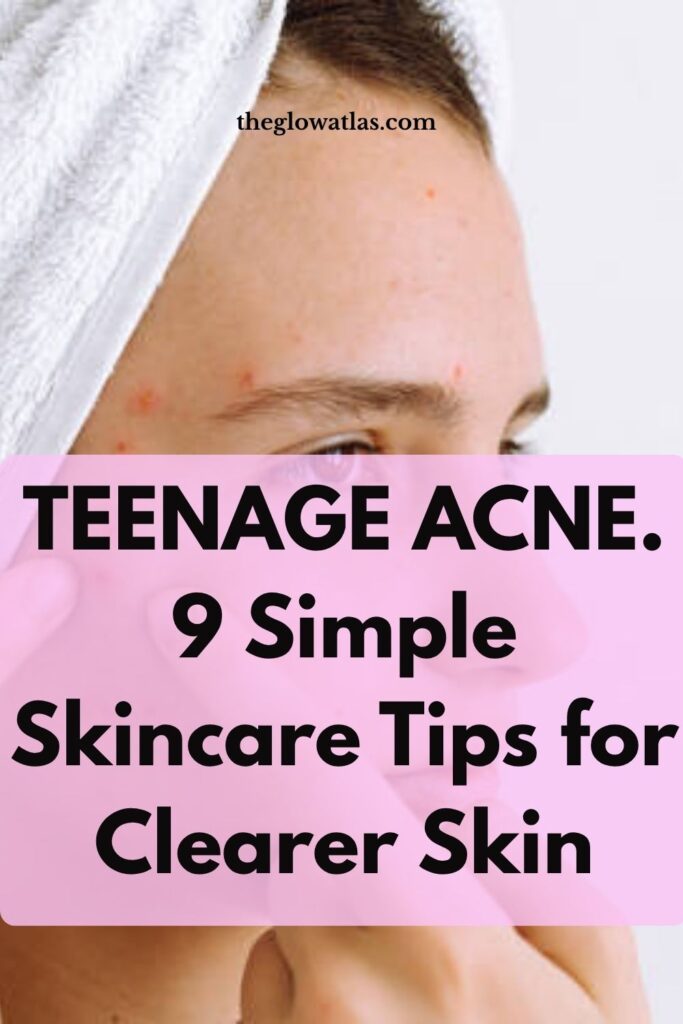

Teenage years can feel like a strange mix of excitement, pressure, school, friendships, changing hormones and then, suddenly, a pimple appears right before a class presentation.
Or a date.
Or picture day.
Typical.
Teen acne is extremely common, but that doesn’t mean it’s easy to deal with. For some teenagers, it’s a few blackheads around the nose. For others, it’s painful pimples across the cheeks, forehead, chest, shoulders, or back. And when breakouts become persistent, acne can affect much more than the skin. It can chip away at confidence and make someone want to hide from photos, social events, or even friends.
The good news? Acne is treatable.
You don’t need a 12-step routine, expensive products, or a bathroom shelf packed with trendy serums. What usually matters more is understanding what’s causing the breakouts, choosing suitable treatments, and sticking with them long enough to work.
Let’s talk about what actually helps.
What Is Teen Acne?
Teen acne, also called acne vulgaris, is a common skin condition that happens when hair follicles become clogged with oil and dead skin cells. The result can be blackheads, whiteheads, pimples, and, in more serious cases, deep nodules or cysts.
Acne is especially common during puberty because hormone levels change. Androgens, including testosterone, increase during puberty and can stimulate the skin’s oil glands. These glands then produce more sebum, an oily substance that helps keep skin from drying out.
More oil isn’t automatically bad.
The problem starts when excess oil mixes with dead skin cells inside a pore. The follicle can become blocked, inflammation can develop, and acne appears.
That explains why someone who never had many skin problems as a child can suddenly develop several pimples at 13, 14, 15, or 16.
It’s not because they became “dirty.”
It’s not because they didn’t wash their face enough.
And it certainly doesn’t mean they’re doing something wrong.
Why Does Acne Get So Common During the Teenage Years?
Puberty is the big reason.
As puberty progresses, rising androgen levels can make oil glands larger and more active. More sebum can increase the chance of clogged pores, which creates the environment where acne develops.
Genetics matter, too.
If a parent or close relative had severe acne, especially deep, painful acne that caused scarring, a teenager may have a higher risk of developing more significant acne themselves.
Then there are everyday factors that can make things worse.
Sweat from sports. Hair products that sit on the forehead. Tight helmets or straps. Picking at spots. Stress. Certain medications. Hormonal changes.
And sometimes? Acne simply happens.
That’s an important point because teenagers often look for one thing to blame.
“Maybe it’s chocolate.”
“Maybe it’s my face wash.”
“Maybe I don’t wash enough.”
“Maybe it’s because I eat fast food.”
Acne usually isn’t that simple.
The Different Types of Teen Acne
Not every breakout is the same. Knowing what you’re looking at can make it easier to choose an appropriate treatment.
1. Blackheads
Blackheads are small, dark-looking bumps that usually appear when a pore becomes clogged.
The dark colour isn’t dirt.
The material inside the pore reacts with oxygen, causing it to look dark at the surface.
Blackheads often appear around the nose, forehead, and chin.
2. Whiteheads
Whiteheads also form when pores become clogged, but the opening stays closed.
They may look like tiny flesh-colored or white bumps.
They’re common on the forehead, cheeks, chin, and other areas prone to oiliness.
3. Papules
Papules are small, raised, inflamed bumps.
They tend to be red, pink, or darker than the surrounding skin depending on skin tone.
Unlike blackheads and whiteheads, papules are inflammatory acne.
4. Pustules
These are the classic “pimples” people often think about when they hear acne.
They’re inflamed bumps containing visible pus.
And yes, they’re incredibly tempting to squeeze.
Don’t.
We’ll get to that.
5. Nodules and cysts
These are deeper, larger and often painful.
They can feel like hard lumps underneath the skin and may remain for weeks.
Severe acne can affect the face, chest, back, shoulders and other areas. Deep nodules and cysts are also more likely to cause permanent scarring.
If a teenager has this type of acne, home skincare alone may not be enough.
So, What Actually Causes Teen Acne?
There isn’t one single cause.
Think of acne as a chain reaction.
Hormones
Hormonal changes during puberty stimulate the oil glands. This is one of the major reasons acne becomes so common during adolescence.
Excess oil
Sebum is useful. Your skin needs some oil.
But too much can contribute to clogged follicles.
Dead skin cells
Skin naturally sheds dead cells. Sometimes these cells combine with oil and block hair follicles.
Inflammation
Once a follicle becomes clogged, inflammation can develop.
That’s when you may see red, swollen, tender pimples.
Genetics
Some people are simply more acne-prone than others.
If severe acne runs in the family, a teenager may have a higher risk of developing persistent or severe acne.
Friction and pressure
Sports equipment, tight clothing, helmets, backpack straps and other repeated pressure can contribute to a type of acne known as acne mechanica.
Hair and skincare products
Heavy or pore-clogging products can contribute to breakouts, particularly around the hairline and forehead.
Look for labels such as “non-comedogenic” or “won’t clog pores” when choosing products for acne-prone skin.
Teen Acne Myths That Need to Retire
Let’s clear up a few things.
Myth: Acne means you’re dirty
No.
Acne isn’t caused simply by poor hygiene. Scrubbing your skin harder won’t solve the underlying problem.
In fact, aggressive washing and scrubbing can irritate the skin and make things worse.
Myth: Washing your face constantly will clear acne
Also no.
A gentle cleanser used consistently is generally more sensible than washing your face five or six times a day.
Your skin isn’t a dirty plate.
Treat it accordingly.
Myth: You should pop every pimple
Please don’t.
Picking and squeezing can increase inflammation and raise the risk of scarring and lingering dark marks. Dermatologists specifically recommend treating acne rather than repeatedly picking at it.
Myth: Acne always disappears on its own
Acne may improve with age, but waiting isn’t always the best strategy.
Early treatment can reduce the chance of acne becoming severe and may help prevent scarring.
Myth: You need expensive skincare
Not necessarily.
A simple routine with the right cleanser, moisturiser, sunscreen and acne treatment can be much more useful than a cabinet full of products.
A Simple Teen Skincare Routine
For a fuller step-by-step plan, see our morning and night acne routine.
Here’s the thing: consistency beats complexity.
A teenager with acne doesn’t need a complicated Korean skincare routine with ten products.
Start simple.
Morning
1. Gentle cleanser
Wash with a mild cleanser. Avoid aggressive scrubbing.
2. Acne treatment, if appropriate
Depending on the type and severity of acne, this could include an ingredient such as benzoyl peroxide or another acne medication recommended by a healthcare professional.
3. Lightweight moisturiser
Yes, even oily skin needs moisture.
Choose an oil-free or non-comedogenic product.
4. Sunscreen
Use broad-spectrum sunscreen during the day, especially when spending time outdoors.
Sunscreen is particularly important if acne treatments make the skin more sensitive to sunlight.
Evening
1. Cleanse gently
Remove sweat, dirt, sunscreen and makeup.
2. Apply acne treatment
Adapalene, benzoyl peroxide, salicylic acid, azelaic acid or another treatment may be appropriate depending on the acne.
3. Moisturise
A simple moisturiser can help reduce dryness and irritation.
And that’s it.
No need to keep adding products because someone on TikTok said your skin needs them.
Which Acne Ingredients Can Help?
Several ingredients have strong evidence behind them.
Benzoyl Peroxide
Benzoyl peroxide can reduce acne-causing bacteria and inflammation. It can also help with blackheads, whiteheads and pimples.
It may cause dryness, redness, peeling or irritation, especially when someone first starts using it.
Start carefully and follow the product directions or advice from a healthcare professional.
One small warning: benzoyl peroxide can bleach fabrics and hair.
That favorite dark towel?
It may not survive the experience.
Adapalene
Adapalene is a topical retinoid that helps keep pores from becoming clogged.
It can be useful for blackheads, whiteheads and some inflammatory acne. Dermatologists may also use retinoids as maintenance treatment after acne improves.
Because retinoids can irritate the skin at first, it’s important to follow the instructions and avoid using more than recommended.
Salicylic Acid
Salicylic acid helps exfoliate the skin and clear clogged pores.
It’s commonly found in acne cleansers, gels and other over-the-counter products.
It can be useful for mild acne, particularly blackheads and whiteheads.
Azelaic Acid
Azelaic acid can help unclog pores, reduce inflammation and address acne-related dark marks.
This can be especially useful for teenagers who notice dark spots lingering after pimples disappear.
And that matters because the pimple isn’t always the whole story.
Sometimes the breakout leaves a little souvenir behind.
What About Acne and Dark Skin?
Teenagers with medium-to-dark skin tones may notice dark marks after acne heals. These are often called post-inflammatory hyperpigmentation, or PIH.
The original pimple may disappear in days or weeks, while the dark mark can remain much longer.
This is one reason picking acne can be such a problem.
The more inflammation and skin injury you create, the more likely you may be to deal with lingering discolouration.
Dermatologists note that post-inflammatory hyperpigmentation can last for months after acne clears, particularly in people with darker skin tones.
So the goal isn’t simply:
“Get rid of the pimple.”
A better goal is:
Control acne while protecting the skin from unnecessary inflammation and scarring.
Should Teenagers Change Their Diet?
This question comes up all the time.
The honest answer is that diet isn’t a simple acne switch.
You don’t need to put a teenager on an extreme diet because they developed pimples.
Research suggests that some dietary patterns may affect acne in some people, but acne has multiple causes.
A sensible approach is to focus on an overall balanced diet rather than labelling individual foods as forbidden.
Eat regular meals.
Drink enough water.
Include fruits, vegetables, whole grains and protein.
Don’t panic over one slice of pizza.
Your skin isn’t keeping a food diary with a grudge.
Can Stress Cause Teen Acne?
Stress can be part of the picture.
Teenagers already have plenty on their plates: exams, friendships, family expectations, sports, social media, relationships and figuring out who they are.
Stress may contribute to acne flares, although it isn’t the sole cause of acne. The American Academy of Dermatology also recommends helping teenagers find healthy ways to reduce stress.
That doesn’t mean:
“Relax and your acne will disappear.”
That’s not how it works.
Instead, think of stress management as one supporting piece of the larger plan.
Sleep.
Exercise.
Time away from screens.
Talking to someone.
Doing something that isn’t school.
These things help the whole person, not just the face.
What About Exercise and Sweat?
Teenagers shouldn’t stop exercising because they have acne.
Exercise is good for overall health.
But sweat, oil and friction can contribute to breakouts, especially when sports equipment sits against the skin.
A practical routine is simple:
- Wash your face after exercise when possible.
- Change out of sweaty clothes.
- Keep helmets, chin straps and sports equipment clean.
- Avoid repeatedly touching your face during workouts.
- Don’t scrub aggressively afterwards.
You don’t need to fear sweat.
You just need to manage it.
What Should You Avoid If You Have Acne?
Sometimes the quickest way to improve a skincare routine is to remove the things that are irritating it.
Avoid:
- Scrubbing pimples aggressively
- Picking or squeezing spots
- Using several strong acne treatments at once
- Constantly switching products
- Using harsh alcohol-based products
- Sleeping in makeup
- Sharing makeup or dirty applicators
- Using heavy, pore-clogging products
- Applying random household ingredients to your face
And please be careful with social media skincare hacks.
A mixture that looks harmless in a 20-second video can be very irritating to real skin.
Your face isn’t a science experiment.
How Long Does Teen Acne Treatment Take?
This is where patience becomes part of the treatment plan.
Acne doesn’t usually disappear overnight.
The NHS notes that many acne treatments can take several weeks to begin working, while the American Academy of Dermatology says people often need around 6 to 8 weeks before they start seeing fewer breakouts.
That means changing your treatment every five days because “nothing is happening” can backfire.
Give an appropriate treatment time to work.
Of course, severe irritation or a worsening reaction is different. In that case, speak with a healthcare professional.
But if the treatment is simply taking time?
Stay consistent.
When Should a Teenager See a Dermatologist?
Don’t wait until acne becomes severe before asking for help.
A doctor or dermatologist is particularly important if:
- Acne is painful or deep.
- There are nodules or cysts.
- Breakouts cover large areas of the face, chest or back.
- Acne is leaving scars.
- Dark marks are becoming a major concern.
- Over-the-counter treatment hasn’t helped.
- Acne is affecting confidence or social life.
- The teenager feels embarrassed, anxious or depressed because of acne.
Moderate and severe acne may require prescription treatment, and severe acne sometimes needs specialist care.
A dermatologist may recommend topical retinoids, benzoyl peroxide, azelaic acid, antibiotics, hormonal treatments in appropriate patients, or other therapies depending on the situation.
For severe acne that hasn’t responded to other treatments, isotretinoin may be considered under specialist supervision.
The important point is this:
There are treatment options.
A teenager doesn’t have to simply “wait it out.”
Acne Can Affect More Than Skin
This deserves more attention.
For some teenagers, acne is annoying.
For others, it can feel huge.
They may stop wanting to take pictures. They may avoid parties. They might cover their face with a hoodie or avoid eye contact. Some may worry that everyone is staring at their skin.
The American Academy of Dermatology notes that acne can affect self-esteem and may be associated with anxiety or depression.
That’s why parents and caregivers should take acne seriously without making it dramatic.
There’s a difference between saying:
“It’s only a few pimples. Nobody cares.”
and:
“I can see this is bothering you. Let’s find something that helps.”
The second response acknowledges what the teenager is actually experiencing.
And if a teenager shows persistent sadness, loses interest in activities, or starts withdrawing socially, it’s worth speaking with a healthcare professional.
Clearer skin matters.
So does emotional wellbeing.
Parents: How Can You Help Without Becoming the Skincare Police?
This one is surprisingly important.
Teenagers don’t always respond well to daily reminders.
“Did you use your acne cream?”
“Did you wash your face?”
“Did you put on the treatment?”
“Why haven’t you used it?”
Even when the intention is loving, it can start to feel like nagging.
The AAD points out that frequent reminders from parents can sometimes backfire, while supporting appointments and giving teenagers appropriate independence can be more helpful.
Instead, help make treatment easier.
Buy the recommended products.
Keep appointments.
Ask whether they need help.
Don’t make jokes about their acne.
Don’t compare their skin with a sibling’s.
And never shame them for having breakouts.
Teen acne is not a character flaw.
A Realistic Teen Acne Routine
If all of this feels like a lot, simplify it.
Here’s the basic framework:
Morning
Cleanser → Acne treatment if recommended → Moisturiser → Sunscreen
Night
Cleanser → Acne treatment → Moisturizer
That’s the foundation.
From there, treatment can be adjusted according to the type and severity of acne.
For some teenagers, benzoyl peroxide may be useful.
For others, adapalene may be part of the routine.
Some may benefit from salicylic acid or azelaic acid.
Others need prescription treatment.
There is no universal acne routine because there is no universal acne patient.
A dermatologist can help identify the right combination.
The Biggest Mistake? Doing Too Much
Here’s a funny contradiction about acne:
Sometimes people try harder and make things worse.
They see a breakout, so they scrub.
Then they add a toner.
Then an exfoliating acid.
Then a clay mask.
Then another spot treatment.
Then they wake up with irritated, peeling skin and wonder why the acne looks angrier.
More products don’t always mean better results.
A calm, consistent routine is usually a much better starting point.
Think of acne treatment like studying for an exam.
You don’t learn the entire syllabus by reading five textbooks at once. You choose a useful system, repeat it consistently, and give your brain time to process the information.
Skin needs time, too.
Frequently Asked Questions About Teen Acne
What causes acne in teenagers?
Teen acne is mainly linked to hormonal changes during puberty. Increased androgen activity can stimulate oil glands, leading to more sebum and a greater chance of clogged pores and inflammation. Genetics and other factors can also influence acne.
Is teenage acne normal?
Yes. Acne is extremely common during adolescence. But “common” doesn’t mean it should be ignored when it is painful, severe, scarring, or affecting emotional well-being.
How often should a teenager wash their face?
A gentle cleanse in the morning and evening is a reasonable starting point for many teenagers. Excessive washing and harsh scrubbing can irritate the skin.
Can toothpaste get rid of pimples?
Toothpaste isn’t designed as an acne treatment and can irritate the skin. Stick with treatments formulated for acne instead.
Should I pop a pimple?
It’s better not to. Picking and squeezing can increase inflammation and raise the risk of scars and dark marks.
Does acne go away after puberty?
It can improve, but not always immediately. Some people continue to experience acne into their 20s and beyond.
What is the best acne treatment for teenagers?
It depends on the type and severity of acne. Common treatments include benzoyl peroxide, topical retinoids such as adapalene, salicylic acid and azelaic acid. Moderate or severe acne may require prescription treatment.
Can acne cause permanent scars?
Yes. Severe acne is more likely to scar, but picking even milder acne can increase the risk of scarring. Early treatment can help reduce this risk.
How quickly can teen acne clear?
Some treatments begin showing improvement within several weeks, but noticeable clearing often takes 6 to 8 weeks or longer. Consistency matters.
Final Thoughts: Teen Acne Doesn’t Define You
Teen acne can feel like a very big deal when it’s happening on your face every morning.
That’s understandable.
But acne is a medical skin condition, not a reflection of cleanliness, personality, attractiveness, or worth.
The smartest approach is usually simple: understand what’s causing the breakouts, keep the skincare routine gentle, use evidence-based acne treatment, avoid picking, and give treatment enough time to work.
And if acne is painful, severe, scarring, or affecting how a teenager feels about themselves, get professional help.
You don’t have to wait for acne to become unbearable.
Early treatment can help control breakouts, reduce the risk of scarring, and sometimes prevent mild acne from becoming more severe.
Clearer skin may take time.
That’s okay.
The goal isn’t perfect skin tomorrow morning. It’s healthier, calmer skin over time and a teenager who doesn’t feel like their face is the first thing everyone notices.
Because it isn’t.


Pingback: Acne Routine: Simple Morning & Night Skincare Steps