
Your eyelashes may be tiny, but they do a surprisingly big job.
They frame your eyes, catch dust and debris, and add definition to your face even when you’re wearing absolutely no makeup. And yet, lashes are easy to neglect. Between long workdays, late-night study sessions, waterproof mascara, lash curlers, extensions, and the occasional “I’m too tired to remove my makeup” moment, they can take quite a beating.
The good news? Healthy eyelash care doesn’t need to be complicated.
You don’t need a shelf full of expensive lash products. In many cases, the basics matter most: gentle cleansing, careful makeup removal, clean tools, sensible mascara habits, and giving your lashes a break when they’re feeling stressed.
So, if your lashes have started looking sparse, brittle, dry, or just a little worse for wear, let’s talk about what actually helps.
Why Do Eyelashes Need Care?
Eyelashes aren’t simply facial hair for decoration.
They form part of the eye’s natural defence system. Their movement can trigger a blink when something gets too close, while the lashes themselves help reduce exposure to dust and other particles.
Like the hair on your scalp, eyelashes grow through a natural cycle. Individual lashes grow, rest, shed, and eventually get replaced. That means seeing a lash on your cheek or pillow from time to time isn’t automatically a problem.
The concern comes when you start seeing excessive shedding, breakage, irritation, or obvious thinning.
And that’s where your daily habits come in.
Repeated rubbing, aggressive makeup removal, poor cosmetic hygiene, heavy extensions, and harsh products around the eyes can all create unnecessary stress. The eyelid area is delicate, so what feels like a small amount of tugging can add up over weeks and months.
Think of your lashes like a lightweight work uniform. They don’t need constant maintenance, but they do better when you stop treating them like they’re indestructible.
The Golden Rule: Be Gentle Around Your Eyes
If there’s one eyelash-care principle worth remembering, it’s this:
Your lashes don’t need to be scrubbed, pulled, or punished to be clean.
When removing eye makeup, soak a cotton pad or soft reusable pad with an appropriate eye-makeup remover and hold it gently against your closed eyelid for several seconds. This gives the product time to loosen mascara, eyeliner, and eyeshadow.
Then wipe softly.
Don’t drag the pad back and forth like you’re cleaning a kitchen counter.
If mascara is stubborn, repeat the process rather than increasing the pressure. The goal is to dissolve the makeup, not wrestle it away.
This matters even more at night. Sleeping in mascara can leave product sitting around the lash line for hours, and removing makeup with excessive force can cause unnecessary lash breakage.
Your evening routine doesn’t need to take 20 minutes, either. A few careful minutes can make a meaningful difference.
Clean Your Eyelashes. But Don’t Overdo It
Eyelid hygiene matters, particularly if you notice flakes, crusting, oily buildup, or irritation around the lash line.
Blepharitis, for example, is an inflammation of the eyelids that can cause redness, burning, swelling, and flakes around the base of the eyelashes. Eyelid hygiene is commonly used to help control its symptoms.
For everyday lash care, however, there’s no need to attack your eyelids with harsh cleansers.
Use a gentle product intended for the eye area and rinse carefully. Avoid getting strong facial acids, exfoliants, fragranced products, or harsh cleansers directly into the eyes.
If your eyelids are persistently red, swollen, painful, crusty, or irritated, don’t assume you simply need a better lash cleanser. That’s a good reason to speak with an eye-care professional.
Sometimes the problem isn’t cosmetic at all.
Your Mascara Habits Matter More Than You Think
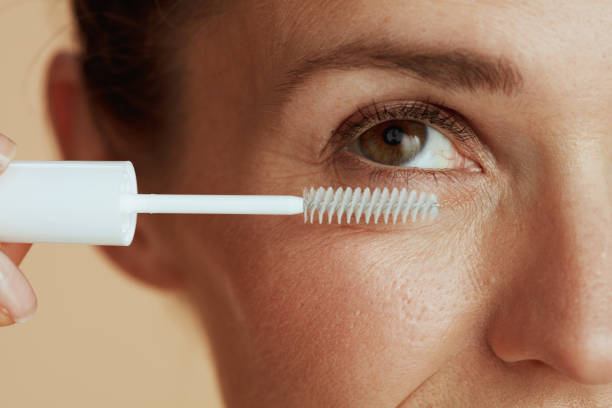
Mascara can make your lashes look longer, darker, and fuller in seconds. That’s exactly why it’s such a staple.
But mascara is also one of the easiest places for poor hygiene to creep into your routine.
Every time you pull the wand out of the tube, use it, and put it back, the product is exposed to microorganisms. FDA guidance notes that eye-area cosmetics have a shorter practical shelf life because of repeated exposure during use, and manufacturers commonly recommend replacing mascara within a few months.
A simple rule is to follow the product’s disposal guidance and replace mascara regularly rather than trying to stretch it indefinitely.
And please don’t revive dried mascara with water or saliva.
It might seem like a clever little money-saving trick when you’re rushing out the door, but it can introduce microorganisms and dilute the preservatives designed to help control microbial growth.
Also:
- Don’t share mascara.
- Don’t share eyeliner or other eye makeup.
- Keep the container closed when you’re not using it.
- Don’t use mascara if the smell, texture, or appearance has changed.
- Don’t keep using eye makeup that may have become contaminated during an eye infection.
- Wash your hands before applying eye cosmetics.
These are boring rules, admittedly. They’re also useful ones.
Waterproof Mascara? Great for Events, Not Always Ideal for Everyday Wear
Waterproof mascara has its place.
Wedding day? Excellent.
Hot, humid afternoon? Very handy.
Long meeting followed by dinner when you don’t want your lashes looking like they’ve cried through the quarterly review? Understandable.
But waterproof formulas can be more difficult to remove. That doesn’t mean they’re inherently bad for your lashes. The issue is often what happens during removal.
If you’re rubbing hard because the mascara won’t budge, you’re creating unnecessary mechanical stress.
Use a remover designed to break down the formula, let it sit for a moment, and wipe gently.
If you constantly find yourself tugging at your lashes to get your mascara off, consider whether you really need the waterproof formula every day.
Give Your Lash Curler a Little Respect
An eyelash curler can create a beautiful lift, but technique matters.
Always use it gently and avoid squeezing repeatedly with excessive pressure. Never yank the curler away while your lashes are clamped.
And don’t curl lashes after applying mascara unless the product instructions specifically support that use. Dried mascara can make lashes stiffer, and clamping them may increase the chance of breakage.
Also check the condition of the curler pad.
If it’s cracked, hard, dirty, or deteriorating, replace it. Your eye area isn’t the place to squeeze every last bit of life out of an old beauty tool.
Clean your tools regularly, too.
It takes less than a minute and can prevent makeup buildup from accumulating on something that sits directly beside your eye.
What About Eyelash Extensions?
This is where eyelash care becomes a little more complicated.
Extensions can look gorgeous. They can also save time in the morning, which is a very real benefit when you’re balancing work, children, commuting, classes, or all three.
But extensions aren’t completely risk-free.
Potential problems include irritation, allergic reactions, inflammation, damage to the natural lashes, and other eye-area complications. The American Academy of Ophthalmology’s EyeWiki notes that people with existing eye disease or a history of allergies may be advised to avoid extensions, and emphasises proper hygiene and technique during application.
So if you’re getting extensions, the technician matters.
Look for a professional who uses appropriate hygiene practices and takes care with lash placement and adhesive. Ask what adhesive is being used and mention any known sensitivities before the appointment.
Most importantly, don’t ignore a reaction simply because you paid for the appointment.
If your eyes become significantly red, swollen, painful, itchy, or irritated after extensions, seek appropriate medical advice rather than trying to push through it.
Beauty should never require you to tolerate an unhappy eye.
False Lashes Need Care, Too
Strip lashes can be a fun alternative to extensions, especially for events or occasional glam.
The same basic rule applies: keep them clean, use products intended for the eye area, and remove them carefully.
Never rip false lashes off quickly.
Instead, gently loosen the adhesive and remove the strip without pulling at your natural lashes.
And if the adhesive causes burning, swelling, itching, or significant irritation, stop using it.
FDA guidance specifically notes that false eyelashes, eyelash extensions, and their adhesives are cosmetic products and that the delicate eyelid area can react badly to irritation or allergic reactions.
A dramatic lash isn’t worth a miserable eye.
Can Lash Serums Actually Help?
This is one of the most common questions in eyelash care.
You’ll find lash serums marketed for stronger-looking, longer, fuller lashes, often featuring ingredients such as peptides, conditioning agents, botanical extracts, or other cosmetic ingredients.
The important distinction is between conditioning the lashes and actually changing their growth.
A cosmetic serum may help make lashes feel conditioned or look healthier, but marketing claims can go well beyond what a product can reliably deliver.
Prescription treatments are a different category. For example, bimatoprost ophthalmic solution is an FDA-approved prescription treatment for inadequate or insufficient eyelashes. It isn’t the same thing as an ordinary cosmetic lash serum, and it has specific instructions, possible adverse effects, and medical considerations.
So be sceptical of miracle claims.
“Grow your lashes overnight” sounds catchy. Your biology, unfortunately, didn’t sign that marketing contract.
If you’re experiencing significant lash loss, talk to a qualified healthcare professional before reaching for a strong growth product.
Don’t Forget Your Diet
Your lashes are made from keratin, a protein structure also found in hair and nails. That doesn’t mean eating one particular food will suddenly give you dramatic lashes, but overall nutrition supports normal hair and tissue health.
For busy women, this can be surprisingly easy to overlook.
You might have coffee for breakfast, eat half a sandwich between meetings, and suddenly realise it’s 4 p.m. and lunch never really happened.
Sound familiar?
Rather than chasing a single “lash growth food,” focus on a balanced diet that provides adequate protein and a range of vitamins and minerals.
Useful foods include:
- Eggs and other protein-rich foods
- Fish and seafood
- Beans and lentils
- Greek yoghurt and other dairy foods
- Nuts and seeds
- Leafy green vegetables
- Fruits and colorful vegetables
- Whole grains
If you suspect a nutritional deficiency, don’t start taking high-dose supplements simply because someone online said they made their lashes grow.
More isn’t always better.
Certain supplements can cause problems when taken in excessive amounts, and supplementation makes the most sense when there’s a genuine nutritional need.
The Case for Removing Makeup Before Bed
This deserves its own section because it’s such a common struggle.
You’re exhausted.
The baby finally fell asleep.
You’ve answered 47 work messages.
Or you’ve spent the entire evening studying, and your bed is calling your name.
Removing mascara can feel like one more tiny task you don’t have energy for.
But this is exactly when a simple routine helps.
Keep your remover and cotton pads somewhere convenient. If your bathroom setup makes makeup removal feel like a full production, simplify it.
The goal isn’t perfection.
The goal is consistency.
Removing eye makeup before sleeping can reduce leftover product around the lash line and saves you from having to scrub harder the next morning.
Five calm minutes tonight can beat ten frantic minutes tomorrow.
What About Oils on the Eyelashes?
You’ve probably seen social media posts recommending castor oil or other oils for longer, thicker lashes.
The evidence for dramatic eyelash growth from ordinary cosmetic oils is limited.
An oil may condition the hairs and make them appear shinier or less dry, but that isn’t the same as proving that it stimulates meaningful lash growth.
There’s another issue: the eye area is sensitive.
Putting oils very close to the eye can cause irritation or blurred vision if the product migrates into the eye. Some products sold online also aren’t formulated or tested specifically for use around the eyes.
So if you’re considering an oil-based lash routine, choose products carefully and don’t treat “natural” as a synonym for “risk-free.”
Natural ingredients can still irritate.
Be Careful With Eyelash Tinting
DIY eyelash tinting might look tempting, especially if you want darker lashes without mascara.
But this isn’t one of those beauty experiments I’d recommend doing casually at home.
FDA guidance warns against at-home eyelash and eyebrow dyeing and notes that certain eyelash and eyebrow dyes have been associated with serious eye injuries.
The eye is simply too important to gamble with a product that wasn’t designed for safe use in that area.
If you’re considering tinting, speak with a qualified professional and make sure the product and procedure are appropriate for the eye area.
Your Everyday Eyelash Care Routine
You don’t need a complicated 12-step routine.
For most people, a practical eyelash-care routine looks something like this:
Morning
Start with clean hands before touching your eyes.
If you’re using mascara, apply it carefully and avoid repeatedly coating your lashes with layer after layer unless you actually need the extra volume.
If you use an eyelash curler, use it gently.
That’s it.
During the day
Try not to rub your eyes.
This sounds simple, but it’s one of those habits that’s easier said than done. Allergies, tiredness, screen time, and dry eyes can all make you want to touch or rub your eyes.
If your eyes regularly feel irritated or dry, address the underlying issue rather than repeatedly rubbing the lash line.
And keep your fingers away from your eyes when they’re dirty.
Evening
Remove eye makeup gently.
Clean the eyelid and lash area without aggressive scrubbing.
If you wear extensions, follow the aftercare instructions provided by your technician and avoid picking, twisting, or pulling individual extensions.
Then leave your lashes alone.
They don’t need a 20-minute pep talk.
A Few Lash Mistakes Worth Breaking
Sometimes good eyelash care is less about adding another product and more about stopping the habits that cause trouble.
Here are a few common mistakes:
Sleeping in mascara.
It can leave product sitting around your lashes for hours and makes removal harder later.
Using expired mascara.
Eye-area cosmetics can become contaminated with repeated use. FDA and manufacturers commonly recommend replacing mascara after a relatively short period.
Sharing eye makeup.
Your friend may have excellent taste in mascara. That doesn’t mean you need to share microorganisms, too. FDA specifically advises against sharing eye cosmetics.
Adding water or saliva to dried mascara.
Don’t. It can introduce microorganisms and interfere with the product’s preservative system.
Pulling off false lashes.
Loosen the adhesive first.
Rubbing your eyes.
Be gentle, particularly if your eyes are already irritated.
Using products not designed for the eye area.
A product being safe for your lips, hair, or skin doesn’t mean it’s safe for your eyes.
Ignoring irritation.
Burning, swelling, persistent redness, or pain deserves attention.
When Should You See an Eye-Care Professional?
Most everyday lash concerns are minor.
But persistent or sudden changes deserve more attention.
Consider getting professional medical advice if you experience:
- Sudden or significant eyelash loss
- Repeated lash breakage with no obvious cause
- Persistent redness around the eyelids
- Swelling or pain
- Crusting or discharge around the eyelashes
- Severe itching or burning
- Vision changes
- Eye irritation after extensions or lash adhesive
- Symptoms that don’t improve after stopping a cosmetic product
If a cosmetic causes irritation, FDA recommends stopping its use; persistent irritation should be assessed by a healthcare professional.
And if you develop an eye infection, stop using eye cosmetics and discard the products that may have become contaminated.
That’s not being overly cautious. It’s sensible eye care.
Eyelash Care for Busy Women: Keep It Real
Here’s the thing about beauty routines when you’re working, studying, parenting, or trying to do all three:
The perfect routine isn’t always the most useful.
You need something you’ll actually do.
A realistic lash routine might take less than five minutes. Remove your makeup. Clean the eye area gently. Wash your hands before touching your eyes. Keep your mascara fresh. Clean your tools. Don’t pull at your lashes.
That’s most of the battle.
And on the nights when you’re exhausted? Make the routine easier, not more complicated.
Keep a gentle eye-makeup remover beside your skincare products. Store your mascara somewhere clean and dry. Replace products when they’re due. If you wear extensions, follow proper aftercare rather than improvising.
Small habits compound.
It’s the same principle you see in a busy work calendar: you don’t need one huge productivity overhaul. You need a few sensible systems that keep working when life gets messy.
The Bottom Line on Healthy Eyelashes
Beautiful lashes don’t have to mean dramatic lashes.
Healthy-looking eyelashes are usually the result of simple care repeated consistently: gentle makeup removal, clean cosmetics, careful handling, sensible use of extensions and false lashes, and attention to any signs of irritation.
Don’t believe every “overnight lash growth” promise that appears on your feed. And don’t assume that more products mean better results.
Sometimes the smartest eyelash routine is surprisingly boring.
Keep them clean.
Treat them gently.
Give them a break when they need one.
And remember that your eyes are far more important than the latest beauty trend.
Your lashes don’t need perfection. They need patience, good hygiene, and a little less pulling and rubbing.
Honestly, that’s a pretty manageable beauty routine, even on a Monday morning.