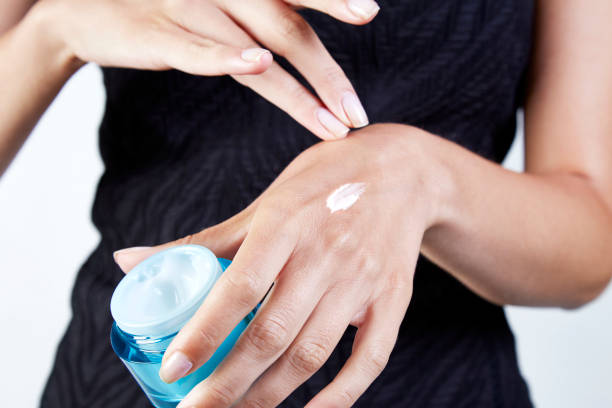

When the weather starts to cool, your skin often notices before you do.
One week, your usual moisturiser feels perfectly comfortable. The next, your cheeks feel tight after cleansing, your lips are constantly dry, and your skin seems to have developed a personal grudge against every cold breeze that comes your way.
Sound familiar?
Cooler weather can change how much water your skin loses. Lower humidity outdoors, dry indoor air, hot showers, wind, and frequent cleansing can all contribute to dryness and irritation. The American Academy of Dermatology recommends using creams or ointments rather than lighter lotions when skin becomes very dry, and applying moisturiser while the skin is still damp to help retain moisture.
That doesn’t mean you need to throw out your entire skincare routine every autumn. Far from it.
The smarter approach is to give your skin a little more support where it needs it. For many people, that means moving toward richer moisturisers with ingredients such as ceramides, glycerin, hyaluronic acid, petrolatum, dimethicone, shea butter, or urea.
But which moisturiser should you actually choose?
This guide breaks down the best moisturisers for cooler weather, what makes them effective, how to choose one for your skin type, and how to adjust your routine without turning your bathroom shelf into a small cosmetics store.
Why Your Skin Needs More Moisture When the Weather Gets Cooler
Your skin has a natural barrier that helps keep water in and irritants out. Think of it as your skin’s security system.
When that barrier is functioning well, your skin generally feels comfortable and supple. When it becomes stressed, water escapes more easily, which can leave skin feeling dry, rough, flaky, itchy, or tight.
Cool, dry air can make this worse. Indoor heating doesn’t always help either. The American Academy of Dermatology notes that both cold outdoor air and heated indoor environments can reduce humidity and contribute to dry skin.
Then there are everyday habits.
Long, hot showers? Drying.
Harsh cleansers? Potentially drying.
Over-exfoliating because your skin looks flaky? Often counterproductive.
Washing your hands repeatedly during a busy workday? Necessary, but rough on the skin if you don’t moisturize afterward.
For students rushing between classes, young professionals moving between offices and outdoor commutes, or parents who barely have five uninterrupted minutes for themselves, skincare can become an afterthought.
That’s why a good cooler-weather moisturiser should be simple.
You want something you can apply quickly, comfortably, and consistently.
Consistency beats a complicated 12-step routine every time.
What Makes a Moisturiser Good for Cooler Weather?
Not every moisturiser is built the same way.
A lightweight gel may feel wonderful during hot, humid months but leave dry skin wanting more once temperatures drop. A rich ointment may be excellent for extremely dry patches but feel too heavy for someone with oily or combination skin.
The trick is understanding what your moisturiser is actually doing.
Most effective moisturisers rely on three broad types of ingredients: humectants, emollients, and occlusives.
Humectants: Pull Water Toward the Skin
Humectants help attract water to the skin’s surface.
Common examples include:
- Glycerin
- Hyaluronic acid
- Urea
- Certain natural moisturising factors
Glycerin is particularly useful because it’s a well-established humectant used in many moisturisers for dry skin. The AAD lists glycerin and hyaluronic acid among ingredients that can help moisturise dry skin.
Emollients: Smooth and Soften
Emollients help fill in spaces between skin cells, making rough skin feel smoother.
You may see ingredients such as:
- Squalane
- Shea butter
- Fatty acids
- Dimethicone
- Plant oils
They’re especially useful when skin feels rough rather than simply thirsty.
Occlusives: Help Reduce Water Loss
Occlusives create a protective layer over the skin that slows water loss.
Petrolatum is a classic example.
This is why a thin layer of petrolatum can be particularly helpful on very dry areas such as lips, hands, or small patches of irritated skin. Dermatologists commonly recommend petroleum jelly or thick fragrance-free creams for very dry skin.
Here’s the thing: the best cooler-weather moisturiser doesn’t necessarily need every ingredient under the sun.
It needs a useful combination that suits your skin.
The Best Moisturisers for Cooler Weather
Below are several well-known moisturiser categories and products worth considering. The right choice depends on whether your skin is dry, sensitive, combination, oily, or simply feeling a little more dehydrated than usual.
1. CeraVe Moisturising Cream. Best All-Around Choice for Dry Skin
CeraVe Moisturising Cream has become a familiar name in dry-skin routines for a reason: it focuses on barrier support and hydration without requiring an elaborate routine.
It’s the kind of moisturiser that makes sense when your skin suddenly feels tighter than usual as temperatures drop.
Its cream texture is particularly suited to people who want more moisture than a lightweight lotion provides.
Why it works for cooler weather
Look for a formula centred around ceramides and humectants. Ceramides are lipids naturally found in the skin and are important to the skin barrier. The AAD specifically recommends looking for ingredients such as ceramides and hyaluronic acid when choosing a moisturiser for dry skin.
A richer cream can also make more sense for dry body skin during colder months. Dermatology guidance generally favours creams and ointments over lotions when dryness becomes significant.
Best for: Normal to dry skin, body dryness, seasonal dryness, and people who want one dependable moisturiser.
Texture: Rich cream.
Cool-weather advantage: Strong everyday barrier support without requiring a complicated routine.
2. La Roche-Posay Toleriane Double Repair Face Moisturiser. Best for Sensitive Skin
If your skin tends to complain when you introduce new products, simplicity matters.
La Roche-Posay’s Toleriane Double Repair Face Moisturiser contains ceramide-3, niacinamide, glycerin, and prebiotic thermal water. The brand describes it as fragrance-free, oil-free, non-comedogenic, and suitable for sensitive skin.
That’s a useful combination for cooler weather because it addresses several parts of the hydration equation.
Glycerin helps attract water. Ceramide supports the skin barrier. Niacinamide is commonly used in skincare for its soothing and barrier-supporting properties.
And the texture is lighter than some heavy winter creams, which makes it appealing if you want additional moisture without feeling like you’ve coated your face in butter.
Best for: Sensitive, normal, combination, and dry skin.
Texture: Lightweight cream.
Cool-weather advantage: Barrier-supporting ingredients without an especially heavy finish.
3. Eucerin Advanced Repair Cream. Best for Very Dry Body Skin
Your face isn’t the only part of your body that gets thirsty.
Hands, elbows, knees, shins, and feet can become especially dry when the air loses humidity.
Eucerin Advanced Repair Cream is designed for dry to very dry body skin and contains ceramide-3, urea, glycerin, and natural moisturising factors. The brand describes it as fragrance-free, dye-free, and non-comedogenic.
Urea is particularly interesting here because it can help hydrate and soften dry, rough skin.
This is a useful distinction: a body moisturiser doesn’t have to feel like a facial moisturiser.
Body skin can often handle a richer cream, especially on areas that become rough during cooler months.
Best for: Very dry arms, legs, elbows, knees, and other rough body areas.
Texture: Rich but designed to absorb.
Cool-weather advantage: A practical choice when seasonal dryness affects more than your face.
4. Vanicream Moisturising Cream. A Simple Pick for Sensitive Skin
For sensitive skin, the ingredient list can matter as much as the moisturiser itself.
You don’t necessarily need fragrance, essential oils, or a long list of botanical extracts to get effective hydration. In fact, dermatology guidance often recommends fragrance-free products for dry or sensitive skin because fragrance can irritate some people.
Vanicream is known for its straightforward approach to sensitive-skin care and is commonly recommended as a simple moisturiser option.
It can make sense for people who want something basic for cooler weather rather than chasing the newest skincare trend.
And honestly, boring can be brilliant.
When your skin barrier is unhappy, a predictable moisturiser can be much more useful than constantly experimenting with new products.
Best for: Sensitive or easily irritated skin.
Texture: Creamy and substantial.
Cool-weather advantage: Straightforward hydration for people who prefer minimal formulas.
What About Oily Skin in Cooler Weather?
Here’s where things get interesting.
If your skin is oily, you might assume you don’t need a richer moisturiser.
But oily skin can still become dehydrated.
Oil and water aren’t the same thing. Your skin can produce plenty of sebum while still lacking adequate water.
So instead of automatically reaching for the thickest cream available, look for a moisturiser that provides hydration without feeling overly occlusive.
Ingredients such as glycerin, hyaluronic acid, niacinamide, and lightweight emollients can be useful.
For example, La Roche-Posay’s Toleriane Double Repair Matte Moisturiser is formulated for oily and combination skin with ceramide-3, niacinamide, glycerin, and a lightweight texture.
The important point is that cooler weather doesn’t mean everyone needs the same heavy cream.
Your skin type still matters.
The Best Moisturiser Ingredients for Cooler Weather
If you’re standing in a skincare aisle comparing labels while your child is asking for snacks or your phone keeps buzzing with work emails, here’s the short version.
Look for these ingredients.
Ceramides
Ceramides are lipids naturally found in the skin.
They help support the skin barrier and reduce moisture loss.
They’re particularly useful when seasonal changes leave your skin feeling tight or easily irritated.
Glycerin
Glycerin is a humectant that helps draw water toward the skin.
It’s inexpensive, effective, and found in a huge range of moisturisers.
No glamour. Just solid skincare chemistry.
Hyaluronic Acid
Hyaluronic acid is another humectant that helps hydrate the skin.
The AAD lists it among ingredients that can help dry skin retain moisture.
Petrolatum
Petrolatum is an occlusive ingredient that helps reduce water loss.
It’s particularly useful for extremely dry areas, lips, hands, and spots that need extra protection.
Urea
Urea can help hydrate and soften dry skin and is found in products designed for rough or very dry skin. Dermatologists may also recommend urea-containing moisturisers for certain cases of excessive dryness.
Shea Butter
Shea butter is an emollient that can help soften dry skin.
It tends to appear in richer creams and body moisturisers, making it a useful ingredient when cooler weather leaves your skin feeling rough.
How to Choose a Moisturiser Based on Your Skin Type
There’s no universal “best moisturiser.”
Your best choice depends on what your skin is doing.
If You Have Dry Skin
Choose a cream or ointment rather than a very lightweight lotion.
Look for:
- Ceramides
- Glycerin
- Hyaluronic acid
- Shea butter
- Petrolatum
- Squalane
The AAD recommends creams or ointments over lotions for people dealing with dry skin because they generally provide more effective moisture.
If You Have Sensitive Skin
Keep things simple.
Look for:
- Fragrance-free formulas
- Ceramides
- Glycerin
- Petrolatum
- Colloidal oatmeal
Try to avoid introducing several new products at once.
Your skin doesn’t need a corporate rebrand every Monday.
If You Have Combination Skin
You may need different textures on different areas.
A lightweight moisturiser may work well across the T-zone, while drier cheeks may appreciate a richer cream.
This is completely reasonable.
Skincare doesn’t have to be one-size-fits-all across your entire face.
If You Have Oily Skin
Look for lighter lotions, gels, or fluid moisturizers labeled non-comedogenic.
Hydration is still important, but you may not need a thick occlusive layer everywhere.
How to Apply Moisturiser So It Actually Helps
The timing matters.
One of the simplest cooler-weather skincare habits is applying moisturiser while your skin is still slightly damp.
After cleansing, gently pat your skin rather than rubbing it completely dry. Then apply your moisturiser.
The AAD specifically recommends moisturising immediately after bathing or washing while skin remains damp because this helps trap moisture.
For your face, a simple sequence might look like this:
Morning
- Gentle cleanser, if needed
- Hydrating serum, optional
- Moisturizer
- Broad-spectrum sunscreen SPF 30 or higher
Evening
- Gentle cleanser
- Treatment products, if appropriate for your skin
- Moisturizer
That’s it.
If you’re busy, that’s enough.
Don’t Forget Your Hands
Your hands deserve their own little winter strategy.
Frequent handwashing, sanitiser, cooler air, and dry indoor environments can leave hands rough and uncomfortable.
Keep a hand cream near places you naturally pass during the day:
- Your desk
- Your bedside table
- Your bathroom
- Your bag
After washing, apply moisturiser while the skin is still slightly damp.
The AAD recommends creams or ointments containing ingredients such as petrolatum or mineral oil for dry, chapped hands and notes that fragrance-free, dye-free products may be less irritating.
For busy professionals, this is one of those tiny habits that can make a surprisingly noticeable difference.
What About Your Lips?
Lips don’t have the same protective barrier as much of the rest of your skin, so they can become uncomfortable quickly when weather conditions change.
A simple lip balm or petroleum jelly can help.
If a lip product stings or burns when you apply it, don’t assume that means it’s working. The AAD recommends switching to a product that doesn’t cause that reaction.
And yes, keep one in your bag.
Because somehow the one day you forget it is always the day the wind decides to become dramatic.
Should You Change Your Whole Skincare Routine for Fall?
No.
This is one of the biggest misconceptions about seasonal skincare.
You don’t necessarily need a completely new routine.
The AAD notes that you may not need to change every product when the weather turns colder, but heavier creams can be helpful as conditions become drier.
Instead of replacing everything, make small adjustments.
Your summer moisturiser may still work in the morning.
You might simply use a richer cream at night.
Or perhaps you only need extra moisturiser on your cheeks while keeping your usual lightweight product on your T-zone.
Think of it as changing your wardrobe.
You don’t throw away every T-shirt because autumn arrived. You add layers.
Your skincare routine can work the same way.
Be Careful With Exfoliation
When skin starts peeling, it’s tempting to scrub it away.
That can backfire.
Dry flakes don’t always mean your skin needs more exfoliation. Sometimes they’re a sign that your barrier needs gentler care.
The AAD cautions that over-exfoliating can further strip moisture from dry skin.
During cooler weather, consider reducing aggressive exfoliation if your skin is becoming dry, irritated, or sensitive.
A calm skin barrier comes first.
That glowing-skin goal can wait five minutes while your skin recovers.
Don’t Forget Sunscreen
Cooler weather doesn’t cancel UV exposure.
Your sunscreen routine should continue throughout the year.
The AAD recommends broad-spectrum, water-resistant sunscreen with SPF 30 or higher as part of dry-skin care.
If your moisturiser contains SPF, check that it provides broad-spectrum protection and that you’re applying enough product to get the labelled protection.
Otherwise, use your regular moisturiser followed by sunscreen.
This matters even on cloudy days and during seasons when the sun doesn’t feel as intense.
How to Build a Simple Cooler-Weather Routine When You’re Busy
Let’s be realistic.
Students have assignments.
Professionals have meetings.
Parents have children who suddenly need something the moment you enter the bathroom.
A skincare routine that requires 14 products probably isn’t going to survive a busy weekday.
Try this instead.
The 3-Minute Morning Routine
Step 1: Cleanse gently
Use a mild cleanser if your skin needs cleansing.
Step 2: Moisturise
Apply your chosen moisturiser while your skin is slightly damp.
Step 3: Sunscreen
Finish with broad-spectrum SPF 30 or higher.
Done.
The 3-Minute Evening Routine
Step 1: Cleanse
Remove sunscreen, makeup, sweat, and the day’s buildup.
Step 2: Treatment, if needed
Use your usual treatment only if your skin tolerates it well.
Step 3: Moisturiser
Apply a slightly richer layer if your skin feels dry.
Simple routines are easier to maintain, and maintenance is what keeps skincare from becoming another unfinished project sitting on your mental to-do list.
Signs Your Moisturiser May Not Be Working for You
No moisturiser is perfect for everyone.
Consider changing your approach if your skin repeatedly experiences:
- Persistent tightness after moisturising
- Burning or stinging
- Increased redness
- New irritation
- Heavy greasiness that you dislike
- Frequent clogged pores after using the product
- Continued severe dryness despite regular moisturising
If your skin becomes very dry, cracked, painful, bleeding, or persistently irritated, it’s worth speaking with a dermatologist. Persistent excessive dryness can sometimes be linked to an underlying skin condition that needs more than a cosmetic moisturiser.
Also, don’t assume that expensive automatically means effective.
A $20 moisturiser with a sensible formula may serve your skin better than a luxury cream with a beautiful jar and a long marketing story.
Skincare is chemistry, not a popularity contest.
Cooler-Weather Moisturiser Mistakes to Avoid
A few common mistakes are worth mentioning.
Using the same lightweight gel all winter
If your skin is becoming dry, a very lightweight moisturiser may no longer provide enough support.
Taking extremely hot showers
They feel fantastic when you’re cold.
Your skin may disagree.
The AAD recommends warm rather than hot water because very hot bathing can worsen dryness.
Applying moisturiser only once a day
Dry skin may benefit from more frequent application. The AAD recommends moisturising several times a day when needed.
Scrubbing away flakes
Flaking doesn’t always mean “exfoliate.”
Sometimes it means “please stop.”
Ignoring the rest of your body
Face care gets most of the attention, but hands, arms, legs, elbows, and feet can also become dry.
Changing five products at once
If your skin reacts, you won’t know which product caused the problem.
Introduce changes gradually.
A Quick Cooler-Weather Moisturiser Cheat Sheet
| Skin concern | What to look for | Useful moisturiser type |
|---|---|---|
| Dry face | Ceramides, glycerin, hyaluronic acid | Cream |
| Very dry body | Urea, glycerin, ceramides | Rich cream |
| Sensitive skin | Fragrance-free, simple formulas | Cream |
| Oily skin | Glycerin, niacinamide, lightweight emollients | Gel or light lotion |
| Combination skin | Lightweight hydration + richer cream on dry areas | Lotion/cream |
| Rough elbows or knees | Urea, petrolatum, rich emollients | Thick cream or ointment |
| Dry hands | Petrolatum, mineral oil, glycerin | Hand cream or ointment |
| Chapped lips | Petrolatum or simple lip balm | Balm/ointment |
The Bottom Line: Choose Comfort Over Hype
The best moisturiser for cooler weather isn’t necessarily the trendiest one on your feed.
It’s the one that gives your skin enough hydration, supports its barrier, doesn’t irritate you, and feels comfortable enough that you’ll actually use it every day.
For dry skin, a richer cream containing ingredients such as ceramides, glycerin, hyaluronic acid, petrolatum, or urea can be a smart seasonal upgrade. For sensitive skin, fragrance-free and uncomplicated formulas are often a safer starting point. For oily or combination skin, you may only need a modest increase in hydration rather than a heavy cream.
And remember: you don’t have to rebuild your entire skincare routine just because the temperature changes.
Start with the moisturiser.
Apply it to slightly damp skin. Protect your face from the sun. Ease up on harsh exfoliation when your skin feels irritated. Give your hands and lips some attention, too.
Then watch how your skin responds.
Because good seasonal skincare isn’t about doing more.
Sometimes it’s about doing a little less, but doing it consistently.
Frequently Asked Questions
What type of moisturiser is best for cooler weather?
Creams and ointments are generally better suited to dry skin in cooler weather than lightweight lotions because they can provide more moisture and help reduce water loss. Look for ingredients such as ceramides, glycerin, hyaluronic acid, petrolatum, and shea butter.
Should I use a heavier moisturiser in fall?
If your skin becomes dry or tight as humidity drops, a richer moisturiser can help. You don’t necessarily need to replace every product in your routine. You can simply use a richer cream at night or on areas that become particularly dry.
Is hyaluronic acid good for cooler weather?
Yes. Hyaluronic acid is a humectant that helps hydrate the skin. It’s often most useful when combined with moisturising ingredients that help support the skin barrier.
Are ceramides good for dry skin?
Ceramides help support the skin’s natural barrier and are commonly used in moisturisers formulated for dry skin. The AAD recommends looking for ceramides when choosing a moisturiser.
Can oily skin use a rich moisturiser?
Oily skin can still become dehydrated, but it may not need a heavy cream across the entire face. A lightweight, non-comedogenic moisturiser may be more comfortable. You can also apply a richer product only to areas that become dry.
Should I moisturise before or after sunscreen?
Generally, apply moisturiser first and sunscreen afterwards in your morning routine. Sunscreen should remain the final skincare step before makeup.
How often should I moisturise?
At least morning and evening is a practical starting point, but dry skin may need additional applications during the day. Applying moisturiser after washing while skin is still slightly damp can help retain moisture.
Can moisturiser repair a damaged skin barrier?
A well-formulated moisturiser can support the skin barrier by providing hydration, lipids, and ingredients that reduce water loss. If your skin is severely irritated, cracked, painful, or persistently dry, however, a dermatologist can help determine whether an underlying condition is involved.
What should I avoid if my skin is very dry?
Avoid harsh cleansers, very hot showers, aggressive exfoliation, and fragranced products if they irritate your skin. The AAD recommends gentle, fragrance-free skincare for dry skin.
Do I still need sunscreen when the weather gets cooler?
Yes. UV exposure doesn’t disappear when temperatures fall. Continue using broad-spectrum SPF 30 or higher as part of your daily skincare routine.