
When the seasons change, your skincare routine isn’t the only thing that may need a little attention. Your hair and scalp can feel the shift, too.
Cooler air, lower humidity, indoor heating, wind, hats, frequent styling, and changes in your daily schedule can all affect how your hair looks and feels. Strands may seem drier. Ends can become rough. Your scalp might feel itchy or flaky. And if you’re juggling classes, work deadlines, school runs, meetings, and everything else on your calendar, spending an hour on your hair every morning probably isn’t happening.
The good news? A good fall hair care routine doesn’t need to be complicated.
Think of it as a seasonal reset: a few small changes that help protect moisture, reduce breakage, care for your scalp, and keep your hair manageable from early fall through winter.
And here’s the thing: there’s no single “fall routine” that works for everyone. Fine, straight hair has different needs from thick curls or tightly coiled hair. Colour-treated hair needs different care from untreated hair. Your scalp matters, too.
So rather than piling on ten new products, let’s build a practical routine around what your hair actually needs.
Why Your Hair May Act Differently in Fall
Fall weather can be a little unpredictable. One day feels warm and humid; the next is cool and dry. Depending on where you live, indoor heating may also reduce humidity and make the air feel much drier.
Cold, dry air can contribute to dry skin and hair, which is one reason Cleveland Clinic recommends paying extra attention to conditioning and gentle hair care as colder weather arrives.
Your hair may respond with:
- Dry or rough-feeling ends
- More frizz
- Increased tangling
- Static
- A tight or dry-feeling scalp
- More noticeable flakes
- Split ends and breakage
- Dull-looking hair
- Difficulty maintaining curls or other styles
That doesn’t mean your hair is suddenly “bad.” It’s responding to its environment.
Hair is also affected by the way you treat it. Frequent heat styling, chemical processing, tight hairstyles, rough towel drying, and aggressive brushing can all increase damage. The American Academy of Dermatology recommends gentle handling, appropriate conditioning, and limiting excessive heat to help reduce breakage.
So, fall is a good time to move from “How can I make my hair look perfect?” to “How can I keep my hair in good condition?”
That small mindset shift can make your routine much easier.
Your Simple Fall Hair Care Routine
A practical routine can be built around six basic steps:
- Cleanse your scalp without over-washing.
- Condition your lengths consistently.
- Add moisture when your hair needs it.
- Detangle gently.
- Reduce unnecessary heat and tension.
- Protect your hair from everyday environmental stress.
You don’t have to do every step every day. In fact, you shouldn’t.
Your washing schedule should depend on your hair type, scalp, oil production, styling habits, and activity level. The AAD recommends washing according to how dirty or oily your hair becomes rather than following one universal schedule.
Let’s break it down.
1. Start With Your Scalp
Healthy-looking hair starts at the scalp.
During fall, don’t focus so much on making your strands feel silky that you forget what’s happening at the roots. Your scalp produces oil, sheds skin cells, and collects sweat and product residue. It needs regular cleansing, too.
Apply shampoo primarily to your scalp rather than aggressively rubbing it through the entire length of your hair. When you rinse, the shampoo will naturally travel down the strands.
This approach helps clean away excess oil, buildup, and debris while limiting unnecessary drying of the lengths. The AAD specifically recommends applying shampoo to the scalp rather than rubbing it throughout the hair.
How often should you wash your hair in fall?
There’s no magic number.
If you have fine, straight hair and an oily scalp, you may need to wash more frequently. If your hair is dry, curly, coily, or thick, you may be able to go longer between washes.
Your workout routine matters, too.
If you exercise several times a week, you don’t necessarily need to shampoo every time you sweat. Your hair type and scalp condition should guide the schedule rather than a rigid calendar.
The goal is simple: clean scalp, comfortable scalp, healthy lengths.
2. Don’t Skip Conditioner
If there’s one step worth becoming consistent with during cooler weather, it’s conditioning.
Shampoo cleans. Conditioner helps soften, detangle, and protect the hair shaft.
The AAD notes that moisturising conditioner can reduce breakage and split ends, while a leave-in conditioner or detangler can make hair easier to manage.
Where you apply conditioner depends on your hair.
For fine or straight hair, concentrate conditioner on the mid-lengths and ends if your roots become oily easily. For dry, curly, or coily hair, you may benefit from conditioning more of the hair length.
And don’t rush this part.
While you’re waiting for conditioner to work, use the time to wash your face, shave if that’s part of your routine, or simply stand under the warm water for another minute. Fall mornings are busy enough. Let one step multitask.
3. Add a Weekly Deep-Conditioning Session
If your hair starts feeling rough or dry as temperatures drop, consider adding a deeper conditioning treatment once a week.
You don’t necessarily need an expensive salon treatment. A moisturising hair mask can be enough.
Look for formulas designed for your hair type and concerns. Ingredients commonly used in conditioning products include fatty alcohols, plant oils, humectants, and conditioning agents.
For curly and coily hair, the AAD notes that ingredients such as argan oil, glycerin, and fatty alcohols such as cetyl or stearyl alcohol can be useful in moisturising routines.
The trick is not to turn this into a product-shopping marathon.
One good mask used consistently is more useful than a bathroom shelf full of half-used jars.
A simple weekly treatment
After shampooing:
- Gently squeeze out excess water.
- Apply your conditioning treatment through the appropriate lengths.
- Detangle carefully if your hair type allows.
- Leave the product on according to its instructions.
- Rinse thoroughly.
That’s it.
No complicated hair spa required.
4. Treat Your Ends Like They’re on the Payroll
Your ends are the oldest part of your hair. They’ve been exposed to brushing, washing, styling, sunlight, clothing, pillowcases, and whatever else your day throws at them.
So if your ends feel dry first, that’s not surprising.
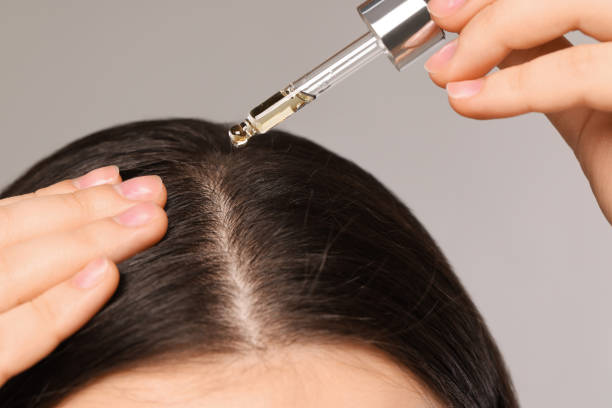
Give them extra attention with conditioner or a suitable leave-in product. If your hair is prone to dryness, a small amount of a lightweight hair oil or serum on the ends can also help with manageability and shine.
But more isn’t always better.
Too much product can leave hair heavy or greasy and may contribute to buildup. Start with a small amount and adjust based on how your hair responds.
If you’re constantly dealing with split ends, don’t expect a serum to permanently repair them. Hair that’s already split can’t truly be fused back together. Regular trims can remove damaged ends while your routine focuses on preventing additional breakage.
5. Be Much Gentler With Wet Hair
This is one of those boring hair-care rules that actually matters.
Wet hair is more vulnerable to damage, so aggressive brushing or towel rubbing isn’t doing you any favours.
Instead, gently squeeze out excess water and use a soft towel, microfiber towel, or T-shirt to absorb moisture. Avoid twisting your hair into a tight towel turban if that creates pulling or tangling.
When detangling, use a wide-tooth comb or another tool suited to your hair type. Start at the ends and gradually work upward rather than dragging a comb from the roots through a large knot.
The AAD recommends gentle detangling and notes that hair should be handled carefully when wet.
It’s a tiny change.
Your hair may thank you for it.
6. Turn Down the Heat
Fall can tempt you back into your full styling routine.
Blowouts. Straighteners. Curling irons. Hot brushes. You name it.
And while there’s nothing wrong with styling your hair, repeated high heat can increase dryness and damage.
The AAD recommends limiting excessive heat and using lower or medium settings when possible. A heat-protective product can also help reduce damage associated with styling.
Try making a few swaps:
- Air-dry partway before blow-drying.
- Use the lowest effective heat setting.
- Avoid repeatedly passing a hot tool over the same section.
- Give yourself heat-free styling days.
- Use heat protection before thermal styling.
- Don’t use hot tools on soaking-wet hair unless the tool is specifically designed for that purpose.
For busy students and professionals, heat-free styles can also save time. A loose braid, bun, twist, ponytail, or your natural texture can become part of the weekly rotation.
Your morning schedule might appreciate that.
7. Don’t Pull Your Hair Too Tight
A sleek ponytail can look polished for work. A tight bun can rescue a chaotic morning. Braids can make busy days easier.
But wearing styles that repeatedly pull on the scalp can contribute to hair damage and traction-related hair loss.
The AAD advises avoiding hairstyles that create persistent tension, including very tight braids, extensions, weaves, and other styles that pull on the scalp.
That doesn’t mean you have to abandon protective or professional styles.
Instead, pay attention to tension.
If a hairstyle hurts, feels excessively tight, gives you a headache, or leaves your scalp sore, that’s a useful warning sign.
Try loosening the style, changing its position, or alternating hairstyles throughout the week.
Your hair doesn’t need to be pulled into submission to look put together.
8. What About Hats and Scarves?
Fall accessories can be practical and stylish, but friction matters.
Wearing hats, scarves, and other head coverings isn’t inherently harmful. The issue is repeated friction, tightness, trapped moisture, or rough fabrics against fragile hair.
If you wear a hat frequently, choose something comfortable and avoid styles that squeeze your scalp.
For textured or curly hair, consider how your hair interacts with the fabric. A smoother layer underneath a rough material may help reduce friction.
And don’t put damp hair under a hat for hours.
If your hair is still wet after washing, give it time to dry before covering it when possible.
9. Fall Hair Care for Curly and Coily Hair
Curly and tightly coiled hair can be more prone to dryness and breakage, so moisture management becomes especially important.
The AAD notes that curly or coily hair tends to be more susceptible to dryness and breakage and recommends moisturising products, careful detangling, and washing according to the needs of the hair and scalp.
A simple routine might look like this:
Wash day:
Cleanse the scalp gently, condition thoroughly, detangle with care, then apply your preferred leave-in or styling product.
Between washes:
Refresh your style only when necessary. Avoid constantly manipulating the hair.
At night:
Choose a comfortable protective style if it works for your texture. A smoother pillowcase or hair covering may also reduce friction.
Most importantly, don’t assume more moisture always equals better hair.
If your hair starts feeling coated, limp, sticky, or difficult to style, you may be layering too many products. Hair care is a balancing act.
10. If You Have Fine or Straight Hair, Keep Things Light
Fall hair care can go too far in the opposite direction.
You notice dryness, buy a rich mask, add oil, apply leave-in conditioner, then wonder why your hair looks flat by lunchtime.
Sound familiar?
Fine hair often benefits from lighter conditioning products and careful product placement. Apply richer products mainly where your hair needs them instead of automatically coating the roots.
If you use styling products frequently, occasional cleansing designed to remove buildup may help. Cleveland Clinic notes that people who use a lot of gels, creams, hairspray, or similar products may benefit from periodic clarifying shampoo use.
The exact frequency depends on your hair and products.
Again: your hair gets the final vote.
11. Don’t Ignore an Itchy or Flaky Scalp
Fall can bring changes in humidity and temperature, and some people notice more scalp dryness or flaking.
But here’s an important distinction: dry scalp and dandruff aren’t always the same thing.
The American Academy of Dermatology explains that dry scalp can occur when the skin loses too much water, while dandruff can have different causes and may be associated with seborrheic dermatitis.
If you have mild dandruff, dandruff shampoos may help. Common active ingredients include ketoconazole, selenium sulfide, salicylic acid, zinc pyrithione, sulfur, and coal tar. The right product and frequency depend on your hair type and scalp needs.
If your scalp remains very itchy, painful, inflamed, develops thick scales, or doesn’t improve with appropriate care, speak with a healthcare professional or dermatologist.
Don’t keep adding random oils and products to a clearly unhappy scalp.
Sometimes the scalp needs diagnosis, not another bottle.
12. Build a Low-Maintenance Morning Routine
For students, working professionals, and busy parents, complicated routines don’t survive busy weeks.
So make your morning routine boringly efficient.
A 5-minute fall hair routine
Step 1: Refresh
Gently reshape your hair with your hands or use a small amount of suitable styling product.
Step 2: Smooth
Apply a tiny amount of leave-in conditioner, serum, or other product to dry ends if needed.
Step 3: Style
Choose a low-tension hairstyle that fits your day.
Step 4: Protect
If you’re using heat, apply heat protection first.
Step 5: Go.
That’s enough.
Save intensive treatments for wash days. Your weekday routine should support your life, not compete with it.
13. Give Your Hair a Little More Care at Night
Nighttime is an underrated part of hair care.
You don’t need a ten-step ritual. You simply want to reduce unnecessary friction and tension while you sleep.
Before bed:
- Detangle gently if needed.
- Avoid sleeping with a very tight hairstyle.
- Put long hair into a comfortable, loose style if appropriate.
- Keep your hair reasonably clean.
- Use a smoother pillowcase or hair covering if that works for your hair type.
If your hair is curly or coily, nighttime protection can make a noticeable difference in how much manipulation you need the next morning.
And fewer morning tangles? That’s a small victory worth having.
14. Your Fall Hair Care Routine Should Include Your Lifestyle
This is where many routines fall apart.
A theoretically perfect routine isn’t useful if it requires 45 minutes every morning.
Maybe you’re a university student rushing to an early lecture. Maybe you’re working full-time and commuting. Maybe you’re a young mother trying to get yourself and a child ready before 8 a.m.
Your routine has to fit your actual calendar.
If you work out often, build washing around your scalp and hair needs.
If you have little time in the morning, wash and style at night when possible.
If you wear protective styles, plan regular scalp care and avoid excessive tension.
If you colour your hair, give it extra conditioning and limit processes that increase dryness or brittleness. The AAD notes that colouring and chemical treatments can damage hair, particularly when they involve significant lightening.
Hair care isn’t a separate department of your life.
It has to work with your life.
15. Don’t Panic if You Notice More Hair in Your Brush
This deserves its own section because seasonal hair shedding can be confusing.
It’s normal to shed some hair every day. The AAD says most people lose around 50 to 100 hairs daily as part of the normal hair-growth cycle.
But noticeable shedding can also have other causes.
Stress, illness, major life events, and childbirth can trigger a temporary type of shedding called telogen effluvium.
For new mothers, postpartum shedding is particularly common. The AAD explains that hormonal changes after childbirth can cause noticeable shedding, which is usually temporary.
So if you’re a busy mum looking at the shower drain thinking, “Surely that’s not all mine,” take a breath.
Hair shedding isn’t automatically a sign that your fall routine is failing.
However, sudden or persistent hair loss, visible thinning, bald patches, scalp changes, or other concerning symptoms deserve professional evaluation. Finding the cause matters more than buying another hair-growth product.
16. Pay Attention to Your Hair From the Inside, Too
Your hair care routine isn’t only about shampoo and conditioner.
Your body needs adequate nutrition to support normal hair growth. That means eating a varied diet rather than relying on a shelf full of “hair vitamins.”
Protein, iron, zinc, vitamin D, B vitamins, and other nutrients all have roles in normal body function, but supplements aren’t automatically better. If you’re concerned about hair loss or think you may have a nutrient deficiency, it’s better to discuss it with a healthcare professional before starting supplements.
Cleveland Clinic also recommends getting hair-supporting nutrients through food where possible and speaking with a healthcare professional before starting supplements, since excessive amounts of some nutrients can actually be harmful.
Your hair doesn’t need a miracle.
It needs consistency.
A Simple Weekly Fall Hair Schedule
If you want something easy to follow, keep it flexible.
Wash day
- Cleanse the scalp.
- Condition the lengths.
- Detangle gently.
- Apply leave-in conditioner or styling product if needed.
- Air-dry or use controlled heat.
- Finish with a small amount of serum or oil if appropriate for your hair.
Midweek
- Refresh only where necessary.
- Avoid excessive brushing and restyling.
- Keep hairstyles comfortable and low-tension.
- Check your scalp for dryness, irritation, or buildup.
Once a week
- Use a deeper conditioning treatment if your hair needs extra moisture.
- Gently detangle.
- Assess your ends.
- Clean styling tools such as brushes and combs.
Every few weeks
- Consider whether you have product buildup.
- Review your heat-styling habits.
- Check whether your current products still suit your hair.
- Trim damaged ends when appropriate.
You don’t need to follow this schedule perfectly. Think of it as a framework, not homework.
Fall Hair Care Mistakes to Leave Behind
Sometimes improving your routine is less about adding products and more about stopping habits that create problems.
Washing far more than your hair needs
Over-washing can contribute to dryness, particularly when the wrong products are used for your hair type.
Scrubbing shampoo into your lengths
Your scalp needs cleansing. Your ends usually don’t need aggressive scrubbing.
Rough towel drying
Vigorous rubbing creates unnecessary friction.
Brushing aggressively
Especially when hair is wet and tangled.
Using high heat every day
Your straightener doesn’t need to be your permanent coworker.
Wearing tight styles constantly
Repeated tension can damage hair and scalp.
Treating every flake with oil
Flaking can have several causes. If the problem persists, get appropriate advice rather than continually changing products.
Buying every viral hair product
TikTok doesn’t know your scalp.
Your hair type, scalp condition, lifestyle, and styling habits matter more than whatever product happens to be trending this week.
What to Look for in Fall Hair Products
You don’t need a huge collection, but a few product categories can make your routine easier.
Gentle shampoo
Look for a shampoo suited to your scalp and hair type. If your scalp is dry, avoid assuming that a stronger cleansing formula is automatically better.
Moisturizing conditioner
Choose one that leaves your hair soft and manageable without making it excessively heavy.
Leave-in conditioner
Useful for detangling, softness, and reducing friction, particularly if your hair is dry or textured.
Heat protectant
A sensible addition if you regularly blow-dry, straighten, or curl your hair.
Hair mask
Useful when your strands need more conditioning than your normal conditioner provides.
Lightweight serum or oil
Helpful for some hair types when used sparingly, especially on dry ends.
The goal isn’t a bathroom full of products.
It’s a small, functional toolkit.
The Bottom Line: Keep Fall Hair Care Simple
A good fall hair care routine doesn’t have to be complicated, expensive, or time-consuming.
Start with your scalp. Wash according to your hair and scalp needs. Condition consistently. Treat dry ends with care. Detangle gently. Reduce unnecessary heat and tension. Protect your hair from friction. And pay attention when your scalp or hair starts behaving differently.
Most importantly, don’t chase perfection.
Some mornings your hair will cooperate beautifully. Other mornings, it will have its own agenda. That’s normal.
For students and young professionals, a practical routine can mean healthy-looking hair without adding another task to an already crowded schedule. For busy mothers, it can mean having a few dependable habits instead of trying to maintain a complicated salon routine at home.
Fall is a good season to simplify.
Take care of your scalp. Keep your strands conditioned. Handle your hair gently. Give it time.
Small habits, repeated consistently, usually beat dramatic hair-care makeovers.
And when winter eventually arrives, your hair will be much better prepared for it.