
Dry, cracked heels have a funny way of sneaking up on you.
One week your feet seem perfectly fine. Then you catch a glimpse of your heels while putting on sandals and think, Wait… when did that happen?
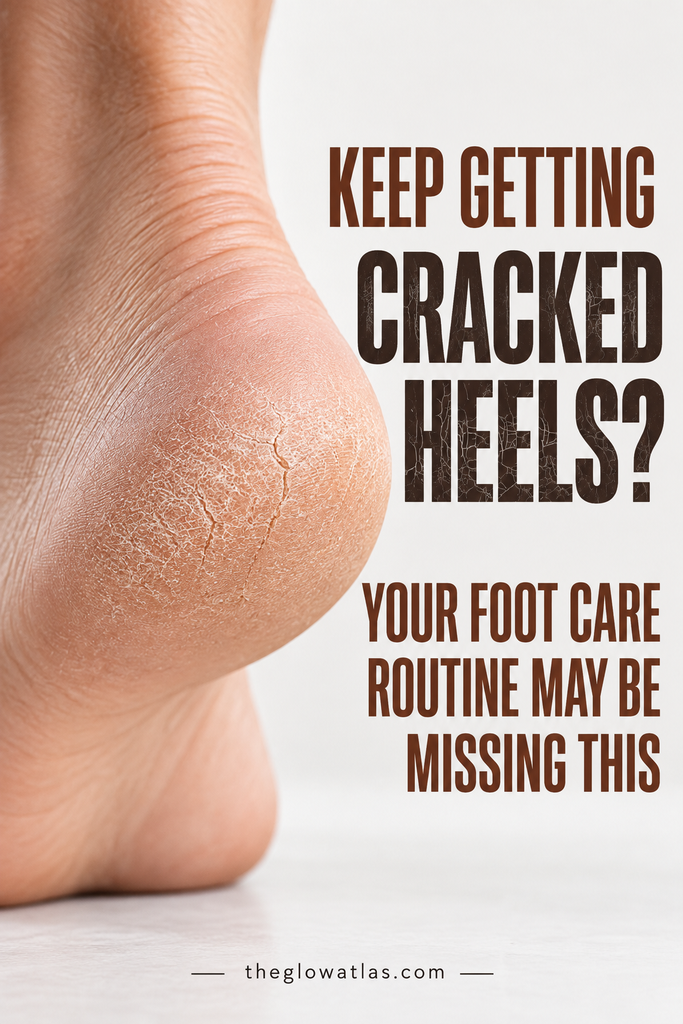
The skin feels rough. Maybe it looks slightly white or ashy around the edges. A few lines have appeared. Then those tiny lines deepen, and suddenly walking barefoot across a hard floor doesn’t feel quite so pleasant.
Cracked heels are common, but they aren’t something you have to simply put up with. In many cases, a consistent routine can soften the hard skin, restore moisture, and help stop those little cracks from turning into painful fissures.
And no, you don’t need a two-hour pedicure every Sunday.
If you’re juggling lectures, deadlines, meetings, children, commuting, meal prep, and everything else packed into an ordinary week, heel care needs to be quick enough that you’ll actually keep doing it.
So let’s make it simple.
First, Why Do Heels Get So Dry and Cracked?
Your heels deal with a surprising amount of pressure.
Each time you stand or walk, your body weight presses down on the fatty pad beneath the heel. That pad spreads slightly outward. Usually, flexible skin moves with it without much trouble.
But when the skin around the heel becomes very dry, thick, and stiff, it doesn’t stretch as easily. Pressure can then cause the hardened skin to split.
DermNet describes dry, thickened callus around the edge of the heel as an early stage of heel cracking. Continued pressure can make those small cracks deeper and, in severe cases, painful or bloody.
Several everyday things can make the problem worse.
Dry weather is one. Long, hot showers are another. Walking barefoot can contribute, too. Open-backed shoes such as flip-flops and some sandals don’t support the heel pad as well as closed footwear, which may allow it to spread outward more as you walk.
Then there’s something almost painfully ordinary: forgetting your feet during your skincare routine.
We moisturise our faces. We moisturise our hands.
Our heels? They get whatever is left on our palms after body lotion.
No wonder they complain.
Your Heels Usually Warn You Before They Split
Deep heel cracks rarely appear from nowhere.
There are often smaller signs first.
You may notice roughness around the outer edge of the heel. The skin may become thick, hard, flaky, or callused. On darker skin tones, dryness can appear grey or ashy. Fine lines may start forming across the surface.
Eventually, those lines may become visible cracks.
Dry skin can also feel tight, itchy, rough, sore, or occasionally sting. Mayo Clinic notes that severe dryness can progress to deeper cracks that bleed.
That’s why the easiest time to deal with cracked heels is technically before they’re badly cracked.
If your heels have started feeling like sandpaper, start caring for them now.
Don’t wait for sandal season.
The Simple Heel-Care Routine That Actually Fits Into Real Life
You don’t need twelve products.
What matters most is consistency.
For many people, the routine can be reduced to three things: gentle cleansing, targeted moisturising, and overnight sealing.
Here’s a practical routine:
- Wash your feet with warm rather than very hot water. Keep long showers and soaking sessions to a minimum when dryness is an issue. Use a gentle cleanser instead of repeatedly scrubbing the heels with harsh soap.
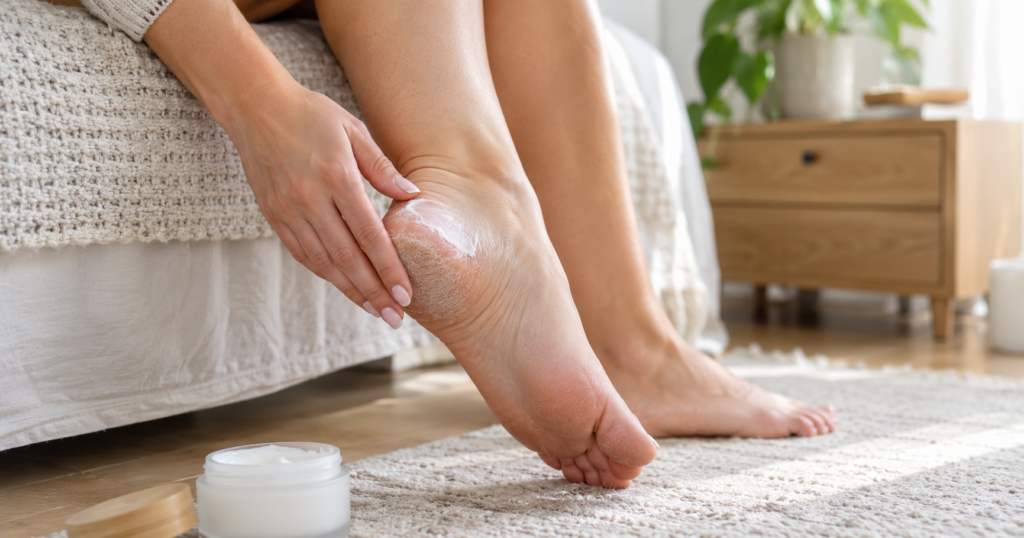
- Pat the feet dry but moisturise while the skin still holds a little moisture. Apply a thick heel cream, preferably one containing ingredients such as urea if the skin is rough and callused.
- At night, add a layer of plain petroleum jelly or another thick ointment and wear clean cotton socks. On days when the skin is thick but not open or painful, gentle use of a pumice stone or foot scrubber after softening the skin may help remove excess dead skin.
That’s the foundation.
Your morning routine might take one minute.
Your evening routine might take three.
That’s far more useful than buying an impressive foot-care kit that stays unopened in the bathroom cabinet for six months.
Moisturise Fast After Your Shower
Timing matters more than many people realise.
When you step out of the shower, water begins evaporating from your skin. Applying moisturiser soon afterwards helps trap some of that moisture instead of letting it disappear.
The American Academy of Dermatology recommends moisturising cracked heels within about five minutes of bathing, while the skin is still damp.
Keep your heel cream somewhere you’ll actually see it.
Next to your body lotion.
Near your towel.
Beside your bed.
Visibility sounds like a silly skincare strategy, but it works. The fanciest cream in the world can’t help much if you remember it twice a month.
And when you’re rushing through a 6:30 a.m. routine before work or trying to get children ready, removing friction from the routine matters.
Shower. Dry. Cream. Socks. Go.
Look for Urea When Your Heels Feel Thick and Hard
If there’s one heel-care ingredient worth knowing, it’s urea.
Urea is used in moisturisers because it attracts and retains water in the outer layer of the skin. At certain concentrations, it also helps soften and loosen thick, scaly skin.
That’s useful because cracked heels usually need more than surface-level softness. You want to hydrate the skin while gradually reducing the rigid buildup around the heel.
The American Academy of Dermatology specifically recommends considering moisturisers containing roughly 10% to 25% urea, alpha-hydroxy acid, or salicylic acid for dry, cracked heels.
You may see products labelled something like:
Urea Foot Cream 10%
Urea Heel Balm 20%
Intensive Cracked Heel Cream
Don’t get overly distracted by the marketing language on the front.
Turn the tube around and read the ingredient list.
Urea is doing much more interesting work than a picture of a flower and the words spa repair complex.
One caution, though: urea and acidic exfoliating ingredients can sting when applied to skin that is already split or raw. DermNet specifically notes that urea and acidic preparations may sting fissured skin.
If a crack is open and painful, focus first on protecting the fissure and keeping the surrounding skin moisturised rather than attacking it with stronger exfoliating products.
What About Salicylic Acid and Lactic Acid?
These ingredients can also help.
Salicylic acid, lactic acid, glycolic acid, and other alpha-hydroxy acids help loosen thick dead skin. That’s why you’ll often find one of them paired with moisturising ingredients in foot creams.
Think of thick callus like several old layers of paper stuck together. Moisturiser helps soften the stack; keratolytic ingredients help loosen some of those stubborn outer layers.
But stronger isn’t always better.
A concentrated exfoliating product on cracked, tender skin can feel like pouring lemon juice into a paper cut.
Not fun.
If your heel is simply rough and thick, a properly formulated foot cream containing these ingredients can be useful. If it is bleeding, inflamed, intensely sore, or visibly open, be far gentler.
Mayo Clinic also notes that urea, salicylic acid, and alpha-hydroxy acids may cause mild stinging or irritation.
Petroleum Jelly Is Boring, and That’s Kind of Its Superpower
Not every useful skincare ingredient needs to sound futuristic.
Plain petroleum jelly works extremely well as an occlusive layer. It forms a barrier over the skin that reduces moisture loss.
This is why the classic nighttime routine remains useful:
Apply moisturiser.
Cover your heels with petroleum jelly.
Put on cotton socks.
Go to bed.
The American Academy of Dermatology recommends petroleum jelly before bed for dry, cracked heels, while Mayo Clinic also suggests following a moisturising treatment with an oil-based cream or petroleum jelly and cotton socks.
Products such as Vaseline or Aquaphor Healing Ointment are familiar examples, while thick creams from brands such as Eucerin and Cetaphil are also mentioned by Mayo Clinic as examples of heavy moisturisers.
You don’t need all of them.
One effective cream plus one occlusive ointment is plenty.
And yes, petroleum jelly feels greasy. That’s exactly why bedtime is its moment to shine.
Unless you enjoy sliding across your kitchen floor at 8 a.m.
Should You Soak Cracked Heels?
Yes — but don’t turn your bathroom into a three-hour foot spa.
There’s a slightly confusing point here.
Water helps soften thick skin, yet too much exposure to water can worsen dryness.
Both can be true.
The trick is keeping soaking short and following it immediately with moisturiser.
Mayo Clinic suggests soaking the feet in warm water for about 10 minutes before gently removing some dead skin and applying a heavy moisturiser or petroleum jelly.
Meanwhile, dermatologists generally caution against long baths and showers because prolonged water exposure can dry the skin. The American Academy of Dermatology recommends keeping bathing relatively brief when dealing with cracked heels.
So think brief softening session, not marathon soak.
And skip scorching-hot water. That steamy shower may feel wonderful after a long day, but dry skin is rarely impressed.
Be Gentle With the Pumice Stone
A pumice stone can help remove thick, hardened skin.
It can also cause trouble when used like a power tool.
After the heel has softened in warm water, gently rub the thick callused area. You’re trying to smooth some of the excess buildup, not reveal an entirely new foot underneath.
Stop if the skin becomes tender.
Never keep grinding because you’re chasing that baby-soft feeling in one session.
DermNet supports gentle use of a pumice stone on heel callus before moisturising. However, it also warns against cutting away thick skin yourself with scissors or razor blades because removing too much skin can cause injury and increase infection risk.
So please retire the bathroom surgery kit.
No razors.
No scissors.
No blades.
No picking at strips of hard skin during a Netflix episode because they’re “almost coming off.”
Slow improvement is safer.
And Those Viral Foot-Peeling Masks?
You’ve probably seen them.
Put on chemical-filled booties, wait, and several days later your feet start shedding sheets of skin in a strangely satisfying horror-movie fashion.
They’re tempting.
But if your heels are already cracked or sensitive, this isn’t the moment for aggressive exfoliation.
Many exfoliating foot products rely on acids that loosen dead skin. Acidic preparations can sting fissured skin, and irritation isn’t exactly what a painful heel needs while it’s trying to repair itself.
A controlled routine with moisturiser and gentle exfoliation isn’t as dramatic.
It is much easier to manage.
Skincare doesn’t have to look shocking on TikTok to work.
Your Shoes May Be Undoing Your Heel Cream
Here’s the annoying part.
You can use a great heel cream every night and still make slow progress if your footwear keeps putting stress on the same area.
Open-backed shoes can contribute to heel cracking because they provide less support around the heel. DermNet explains that increased pressure allows the heel’s fat pad to spread sideways, placing extra tension on already hard skin.
The American Academy of Dermatology recommends avoiding open-heeled shoes such as slingbacks and flip-flops when heels are dry and cracked. Worn-out or poorly fitting shoes can also create problems.
That doesn’t mean sandals are permanently banned from your wardrobe.
It means your heels may appreciate more supportive footwear while they’re healing.
This matters especially if you spend your day standing.
Teachers, nurses, retail workers, event staff, hospitality workers, busy parents chasing toddlers around the house — your feet aren’t just decorative. They’re clocking serious hours.
Give them some structural support.
Barefoot Around the House? Maybe Not for Now
Walking barefoot feels harmless.
For very dry heels, though, repeated pressure against hard floors can add to the problem.
The American Academy of Dermatology lists walking barefoot among factors that can contribute to dry, cracked heels.
If your heels are actively cracking, try wearing supportive indoor footwear or soft house shoes instead, particularly on tile or concrete floors.
This is one of those tiny changes that sounds almost too simple.
But skincare is often like that.
A good product matters.
What you repeatedly do to the skin matters just as much.
If the Crack Hurts, Protect It
Once a heel fissure becomes deeper, each step can pull at its edges.
You walk.
The heel spreads.
The crack opens slightly.
You sit down.
It closes.
Then you stand again.
No wonder healing can take time.
For suitable superficial cracks, dermatologists recommend considering a liquid bandage. It forms a protective barrier over the fissure and may reduce pain while helping prevent contaminants from entering the broken skin.
Mayo Clinic also lists liquid bandage or skin glue as possible ways to protect heel cracks.
Follow the product instructions carefully.
If the area looks infected, is heavily bleeding, or is unusually painful, don’t simply seal it up and carry on. That deserves medical assessment.
Seven Heel-Care Mistakes That Keep the Cycle Going
Sometimes the problem isn’t what you’re not doing.
It’s what you’re doing too enthusiastically.
Scrubbing every shower, peeling skin, walking barefoot, using very hot water, wearing unsupported shoes, forgetting moisturiser for days, then suddenly applying five products at once heels tend to prefer boring consistency.
Another mistake is treating every dry heel as purely cosmetic.
Dryness can occasionally be linked with skin or health conditions.
DermNet lists eczema, psoriasis, diabetes, hypothyroidism, and certain disorders that cause thickening of the skin among possible contributors to cracked heels.
That doesn’t mean you should panic because you found one heel crack.
Most dry heels are far less dramatic than that.
It simply means persistent, severe, or unusual cracking shouldn’t automatically be blamed on forgetting body lotion.
A Morning Routine for People Who Have Approximately 90 Seconds
Mornings are chaotic enough.
You don’t need a spa ritual before your first coffee.
After showering, gently dry your feet and apply your heel cream within a few minutes. Pay most attention to the thick skin around the outer edge of the heel.
Allow it to absorb while you finish getting dressed.
Then wear comfortable socks and supportive shoes when practical.
Done.
If you shower at night instead, move the routine there.
There are no skincare police checking your schedule.
Consistency wins.
Your Night Routine Does the Heavy Lifting
Nighttime is where you can use heavier products without worrying about greasy footprints, sticky sandals, or your moisturiser rubbing straight onto the inside of your shoes.
After washing your feet, pat them dry.
If your heels are only thick and rough, you can occasionally soften them briefly in warm water and gently smooth excess callus.
Then apply your heel cream generously.
Add a thin layer of petroleum jelly over the driest areas.
Put on cotton socks.
Go to sleep.
That’s it.
You don’t have to sit with your feet wrapped in plastic while balancing a laptop on your knees and wondering when self-care became another administrative task.
Don’t Forget Fragrance Can Be a Problem
That peppermint foot cream may smell like an expensive hotel spa.
Your skin doesn’t care.
If your heels are very dry or sensitive, fragrance can sometimes be another source of irritation. The American Academy of Dermatology recommends using a gentle, fragrance-free cleanser when caring for dry, cracked heels.
Simple products are often easier to tolerate.
Save the strong fragrance for your candle.
Your feet have enough going on.
How Long Does It Take for Cracked Heels to Improve?
There’s no single timetable.
A mildly rough heel may feel noticeably softer fairly quickly once you start moisturising consistently. Thick callus and deeper fissures need more patience.
What matters is the direction things are moving.
Are the heels getting softer?
Are the cracks becoming shallower?
Is walking more comfortable?
Is the skin less tight?
Good.
Keep going.
If there’s little or no improvement despite consistent home care, that’s when professional help becomes useful.
DermNet suggests seeing a podiatrist when severely cracked heels don’t improve with self-care. Professional treatment may include removal of thickened skin, heel strapping, stronger prescription preparations, heel cups, insoles, or medical tissue adhesive.
Sometimes home care needs backup.
That’s completely normal.
When Cracked Heels Need More Than Moisturiser
Most mild cases can be managed at home, but there are limits.
Seek medical advice if your heels become swollen, inflamed, increasingly painful, or develop open sores. Signs of infection also need attention.
Deep cracks create breaks in the skin barrier, which can allow bacteria to enter. Severe heel fissures can occasionally become infected.
You should also get professional guidance if your dry skin persists despite consistent care.
And if you have diabetes, reduced sensation in your feet, circulation problems, or another medical condition affecting your feet, don’t aggressively file, cut, peel, or self-treat deep fissures without medical guidance.
Cracked heels are especially important in diabetes because loss of sensation can make foot injuries easier to miss, and fissures may progress to more serious wounds.
Pain, pus, warmth, spreading redness, bleeding that doesn’t settle, a bad smell, or a wound that isn’t healing aren’t signals to buy a stronger foot cream.
They’re signals to get the area checked.
What If Your Heels Keep Coming Back?
Recurring cracked heels often need a maintenance routine rather than repeated rescue missions.
Once the skin feels better, it’s tempting to stop everything.
Two weeks later, hello again, sandpaper feet.
Instead, continue moisturising regularly even after the cracks disappear.
You may not need the same intensive routine forever. Perhaps the heavy petroleum jelly treatment becomes occasional rather than nightly. Maybe you switch from a higher-strength heel cream to a basic thick moisturiser once the hard skin is under control.
The point is to keep the heel skin flexible.
Prevention is easier than repairing another painful split.
And pay attention to patterns.
Do your heels worsen during dry weather?
After several weeks of wearing sandals?
When you’re standing more than usual?
When you’ve slipped into the habit of taking long, very hot showers?
Those patterns tell you something.
Skin has a memory of sorts not literally, of course, but habits leave evidence.
A Word About Pedicures
A professional pedicure can make rough feet look beautiful.
But more scraping isn’t automatically better.
If you visit a salon, avoid having painful cracks aggressively shaved, cut, or filed. Removing too much protective skin can create another problem instead of solving the first one.
Deep or recurrent fissures are better assessed by a podiatrist, dermatologist, or other qualified healthcare professional.
A cosmetic pedicure and medical foot care aren’t the same job.
Sometimes you need polish.
Sometimes you need treatment.
Knowing the difference matters.
The Real Secret Is Less Exciting Than You Think
There’s always a new foot cream.
A new scrub.
A strange kitchen remedy.
A viral overnight mask.
But the basic recipe for dry heels hasn’t become obsolete.
Keep the skin hydrated.
Soften thick callus gradually.
Reduce unnecessary pressure.
Protect cracks while they heal.
Repeat.
That’s not particularly glamorous, but dermatology rarely needs to be glamorous.
A routine you can maintain between work, study, childcare, errands, and ordinary life will beat an elaborate routine you perform once.
Final Thoughts: Your Feet Deserve a Little More Credit
Feet are easy to ignore.
They spend most of the day hidden under socks, sneakers, loafers, boots, or whatever shoes survived the morning rush. We usually notice them only when something hurts.
But your heels carry you through an enormous amount.
Across campus.
Through long shifts.
Between meetings.
Around supermarkets.
Up office stairs.
Behind children who somehow develop Olympic-level sprinting ability whenever you’re already late.
Giving them a few minutes of care isn’t indulgent. It’s maintenance.
Start with the basics tonight.
Wash gently. Apply a thick moisturiser. Add petroleum jelly. Pull on cotton socks.
Tomorrow, do it again.
If there’s thick callus, deal with it gradually rather than attacking it. If the skin is deeply cracked or bleeding, protect it instead of piling strong acids onto it. And if your heels aren’t healing, become swollen or inflamed, or you have a medical condition that increases the risk of foot problems, get professional advice.
Small routines don’t look impressive.
They just work.
And a few weeks from now, when your heels feel softer against the bedsheets instead of catching on them?
You’ll be very glad you started.